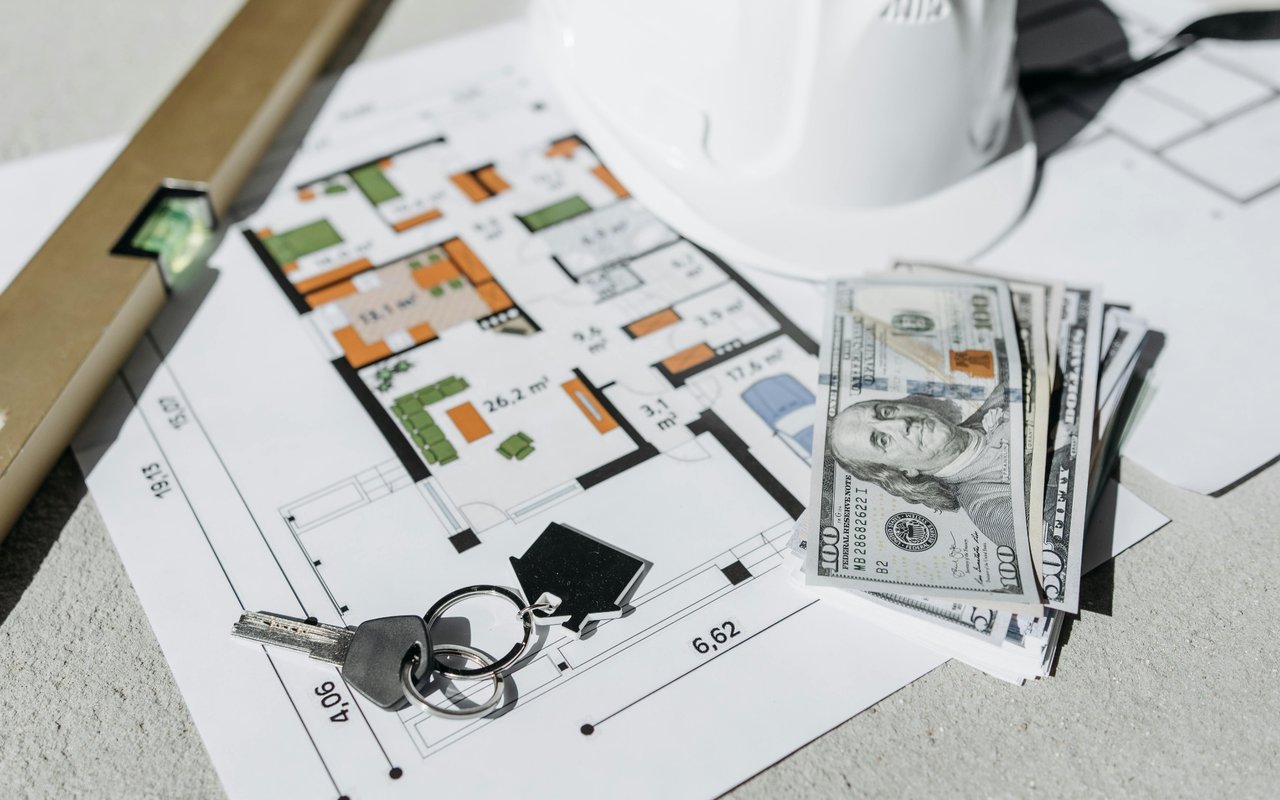

Everyone wants to know which property is the best to invest in to make the most money. While there’s not a one-size-fits-all answer, there are specific attributes to look for when you invest in real estate, including:
- Look for an area that’s attractive for renters or with fast appreciating homes.
- Make sure the area has all the amenities and conveniences most homeowners want.
- Look at the area’s crime rate, school ratings, and tax history.
- Invest in homes that renters want in the area (1 unit, townhome, condo, etc.)
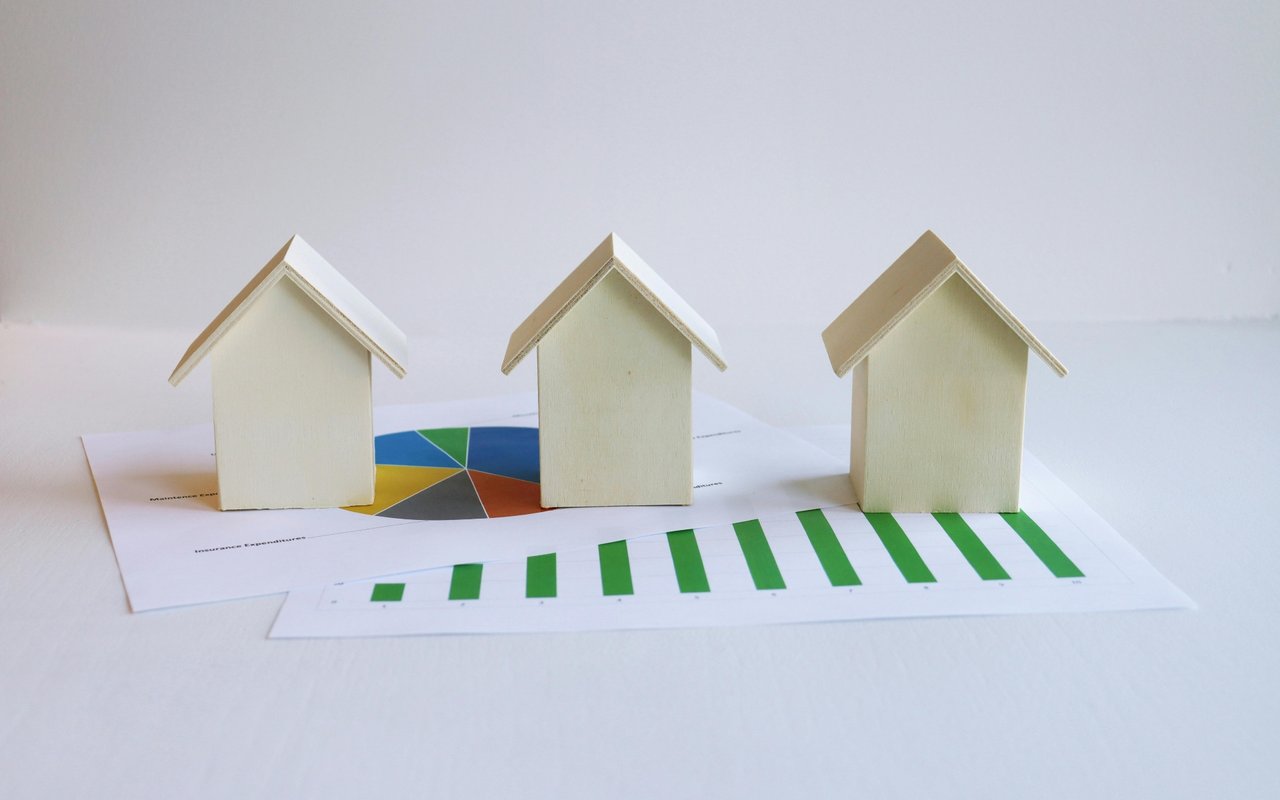
- Please pay attention to the prices of recently sold homes to see the average sales price today and its comparison to historical prices.
- Learn the CAP rate formulas ( a metric used in real estate that indicates the rate of return that is expected from an investment property to see if the numbers work to make a profit in the long run.
What Are the Downsides of Investing in Real Estate?

Like any investment, there are pros and cons to investing in real estate. Understanding the ‘downsides’ can help you make the right choice. You may find that you still want to invest, but knowing the negatives can help you make smarter choices and protect yourself.
There’s No Guarantee
Like any investment, there’s no guarantee a property will appreciate or that you’ll make profits. Many factors determine what happens, including the state of the economy, the demand for housing at any given time, and local events or occurrences.
Like most investments, though, real estate almost always bounces back. So if you’re in it for the long haul, you should be on target to make a profit.
Working as a Landlord Is Time-Consuming and Exhausting

You have to be a specific type of person to handle being a landlord. For example, if you buy and hold real estate, you’ll want to rent it out to make money. But if being a landlord is too much for you, consider hiring a property management company.
It’s Tougher to Get Financing

Securing financing for an owner-occupied property is typically easy if you have decent credit and stable income. You’ll need a small down payment and can usually ensure the rest in the form of a fixed-rate or adjustable-rate loan.
When buying a home for others to live in or fix and flip, lenders aren’t as generous with their financing options. They often have stricter requirements, including higher credit scores, lower debt-to-income ratios, and much higher down payments. For example, many lenders require 30% of the purchase price down on the home to secure financing even if you have good credit.
Cash Flow Isn’t Guaranteed

There’s no guarantee that you’ll always have tenants. If your tenant’s bail on you, the mortgage and expenses fall on your shoulders. If you have a mortgage, you must keep paying it even though you aren’t receiving rent for the time being.
You need a solid emergency fund and be stable in your finances to handle any situation that may come your way.
The Bottom Line

Real estate is a great way to diversify your investment portfolio. You can offset the risk of high-risk investments, such as money invested in the stock market. In addition, if you invest in rental homes, you can enjoy the cash flow while the home appreciates, giving you significant capital gains when you need it most – in retirement.
Real estate can be a liquid asset if you need it to be. Don’t invest money you’d need immediately, but know that any money you have invested in properties you can usually liquidate within a few months if required.