A low appraisal can feel like a major setback, especially when buyers and sellers are already emotionally invested in the deal. As a real estate professional who has helped many clients through this exact situation, I can tell you that it does not automatically mean the transaction is over. It simply means everyone needs to pause, review the numbers, and decide on the best next step. Whether you are buying your dream home or selling a property you have worked hard to prepare, understanding your options can help you stay calm and make a smart decision.
Understand What a Low Appraisal Means
An appraisal is the lender’s way of confirming that the home is worth the amount being financed. If the appraised value comes in lower than the agreed purchase price, the lender may not approve the full loan amount based on the contract price. For example, if a buyer agreed to purchase a home for $500,000 but the appraisal comes in at $480,000, the lender will likely base the loan on the lower value. This creates a $20,000 gap that needs to be addressed before the sale can move forward.
Review the Appraisal Carefully
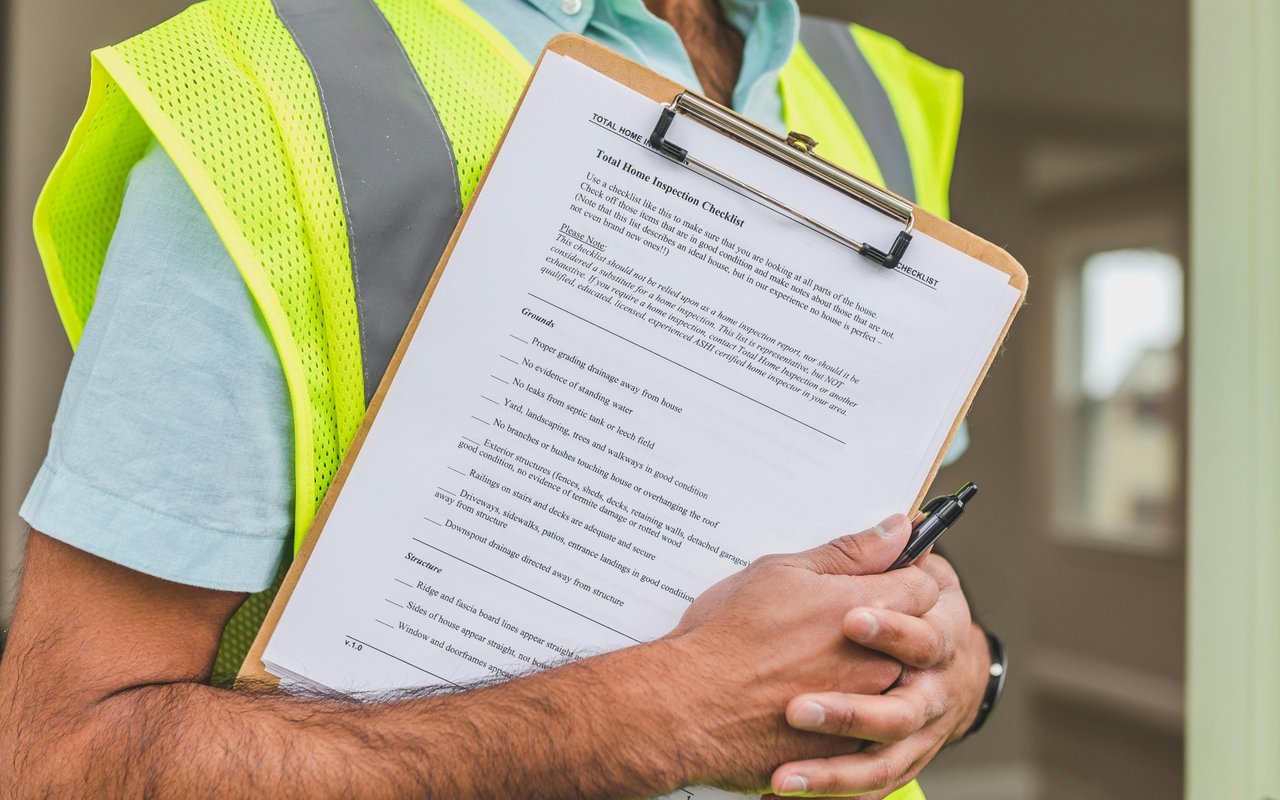
The first step is to review the appraisal report in detail. Appraisers are professionals, but mistakes can happen. I have seen reports with incorrect square footage, missing upgrades, outdated comparable sales, or overlooked improvements that could affect the value. Buyers and sellers should work with their agents to compare the report against recent sales in the area and the actual condition of the home. If there is strong evidence that the appraisal missed important information, the buyer can ask the lender to request a reconsideration of value.
Negotiate a Solution
If the appraisal is accurate or the lender does not adjust the value, the next step is negotiation. The seller may agree to lower the price to match the appraised value, especially if keeping the deal together is more important than going back on the market. The buyer may agree to bring extra cash to cover part or all of the difference. In many cases, the best solution is somewhere in the middle, with both sides making a reasonable adjustment. A good agent can help keep emotions out of the conversation and focus on what makes financial sense.
Know Your Contract Protections
Buyers should always understand what their contract says about appraisals before they get to this point. Many offers include an appraisal contingency, which can allow the buyer to renegotiate or walk away if the home does not appraise for the purchase price. Some buyers choose to waive this protection in competitive markets, but that can be risky if they do not have enough extra cash available. Sellers should also pay attention to this part of the offer because it affects how secure the deal really is.
Move Forward With a Clear Plan
A low appraisal can be frustrating, but it is manageable when everyone understands the options. Buyers should talk with their lender and agent right away to confirm the financing impact. Sellers should stay open to reviewing the facts and considering whether adjusting the price is better than starting over with a new buyer. The key is to respond with strategy, not panic. If you are facing an appraisal issue, connect with a trusted real estate expert who can walk you through the numbers, explain your choices, and help you protect your next move.