One of the most common questions I hear from buyers is, “How much house can I afford?” While it is an important question, I always encourage clients to think one step further and ask, “How much house can I comfortably afford?” There is a big difference between being approved for a certain loan amount and feeling confident with the monthly payment once real life expenses are included. Buying a home should support your lifestyle, not stretch you so thin that every unexpected cost becomes stressful.
Start With the Monthly Payment, Not Just the Price
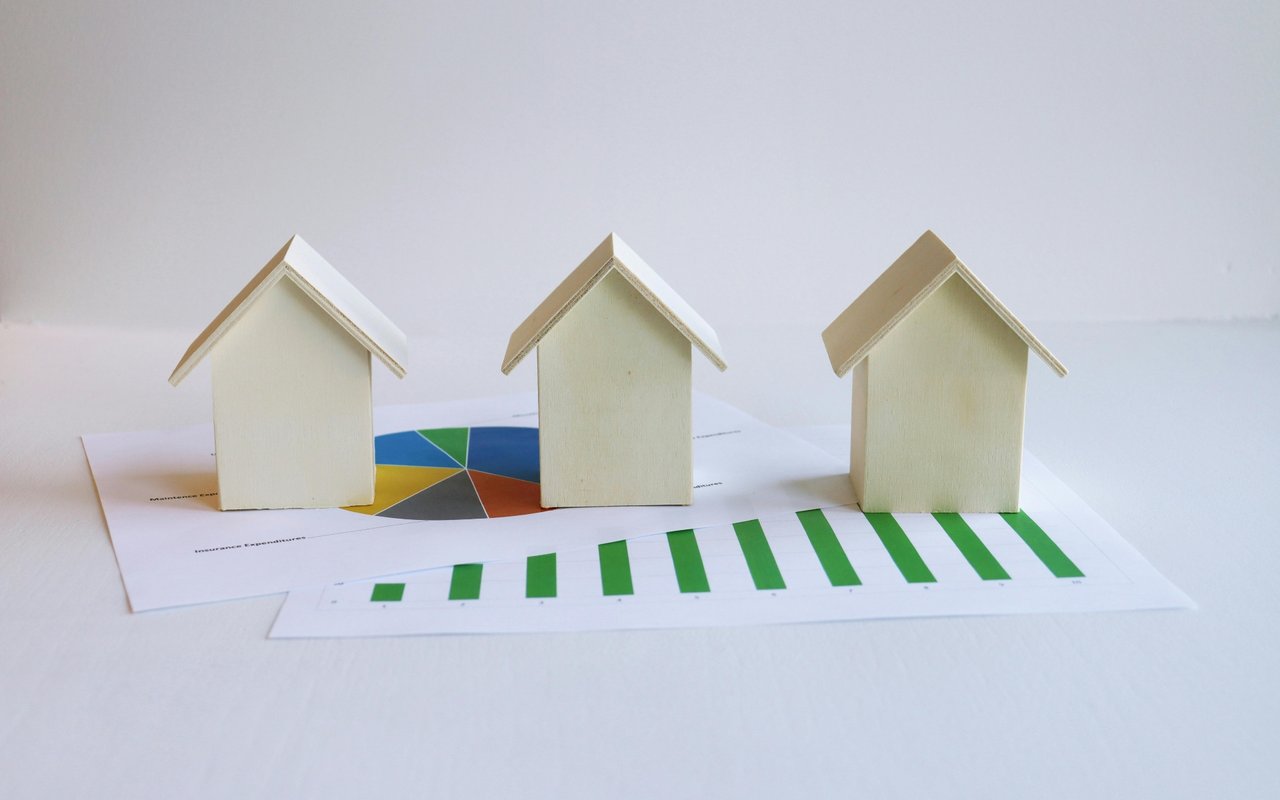
Many buyers begin by looking at home prices, but the monthly payment is what truly affects your budget. That payment may include the mortgage, property taxes, homeowners insurance, mortgage insurance, and possibly homeowners association fees. Two homes with the same purchase price can have very different monthly costs depending on taxes, insurance, and loan terms. Before falling in love with a home, ask your lender to break down the estimated full monthly payment so you can see what the number really looks like.
Look at Your Real-Life Budget
A lender reviews your income, debts, credit, and financial documents, but they may not know how you actually live day to day. Think about groceries, childcare, utilities, car expenses, savings goals, travel, hobbies, and emergency funds. If the payment leaves no room for the things that matter to you, the home may not be the right fit even if you technically qualify. A comfortable budget should allow you to enjoy your home while still maintaining some financial flexibility.
Do Not Forget Upfront and Ongoing Costs
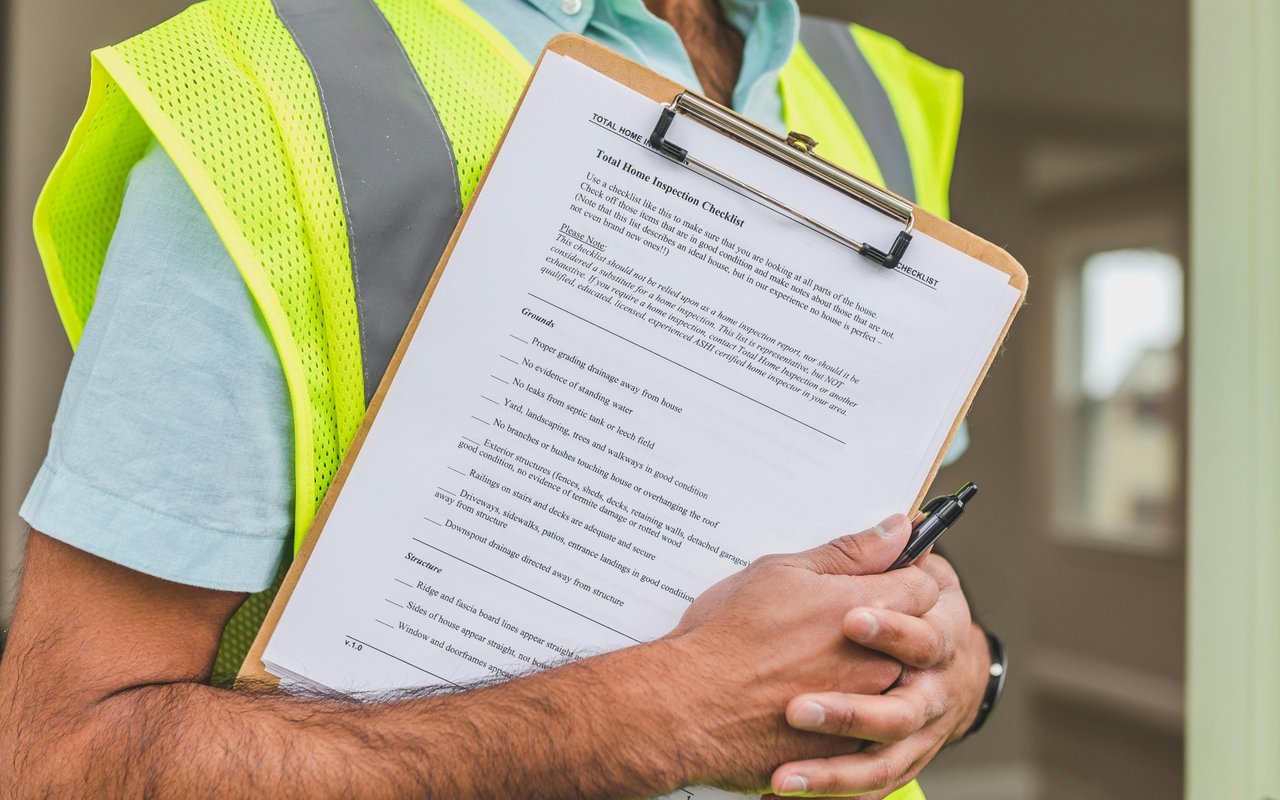
The purchase price is only one part of buying a home. Buyers also need to plan for closing costs, moving expenses, inspections, repairs, furniture, and basic setup costs after moving in. Once you own the home, maintenance becomes your responsibility. Even a well-maintained property will eventually need things like appliance repairs, HVAC service, landscaping, or small updates. Setting aside money for these costs can help prevent surprises from becoming financial pressure.
Give Yourself a Cushion
One of the best pieces of advice I give buyers is to leave room in the budget for the unexpected. Jobs change, expenses rise, cars need repairs, and life does not always follow a perfect plan. A home that feels affordable only when everything goes exactly right may create stress later. A comfortable purchase gives you breathing room. That may mean buying below your maximum approval amount, choosing a different neighborhood, or waiting a little longer while you save more.
Buy With Confidence, Not Pressure
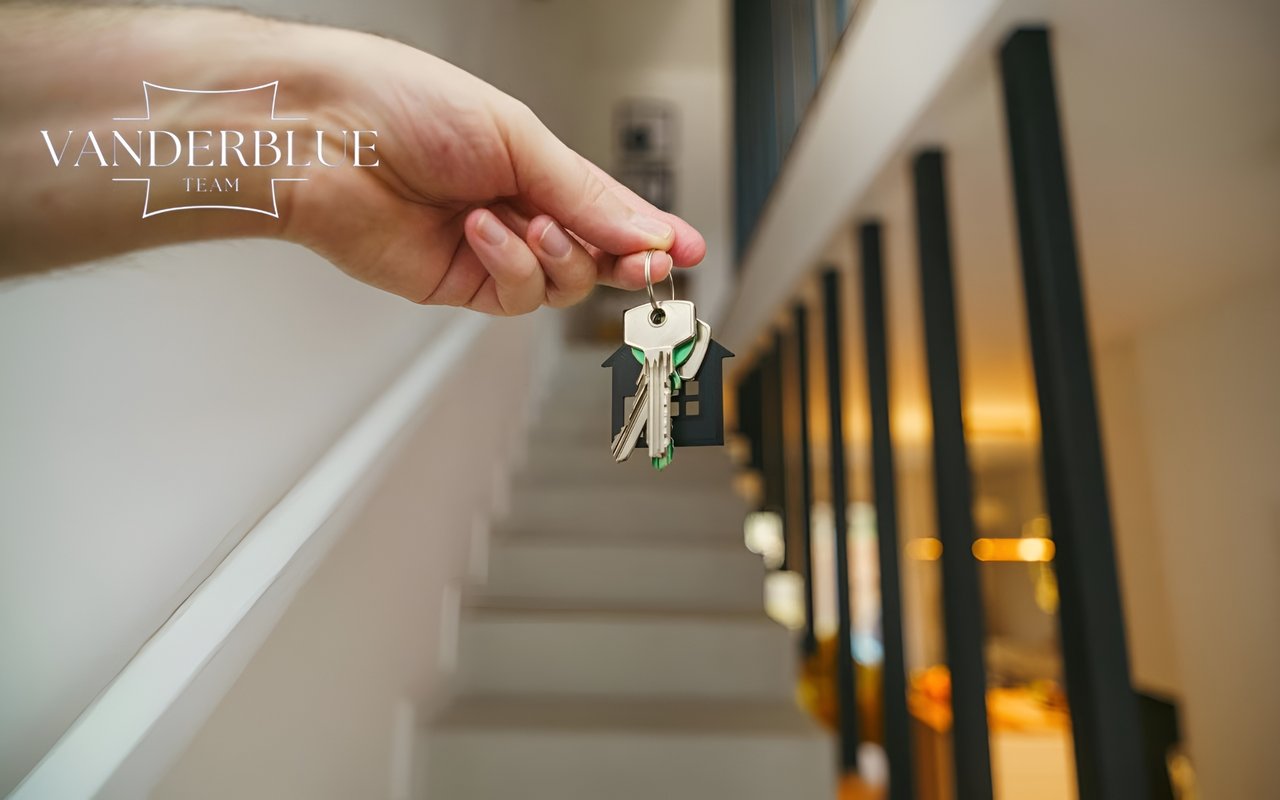
The right home is not just the one you can qualify for. It is the one that fits your finances, lifestyle, and long-term goals. Before you start touring homes, talk with a trusted lender and a real estate professional who can help you understand the full cost of ownership. When you know your comfortable price range, you can shop with more confidence and avoid the pressure of stretching too far. A smart home purchase should give you peace of mind, not just a new set of keys.