It Is More Than Square Footage and Paint Color
After years of helping clients buy and sell homes, I can tell you that one of the biggest surprises for sellers is how different an appraiser’s job is from a buyer’s first impression. Buyers may fall in love with a bright kitchen or cozy backyard, but an appraiser is there to determine market value based on facts, condition, and recent sales. If you are getting ready to sell, refinance, or just want to understand your home’s value, it helps to know what really matters before that appointment ever takes place.
Your Home’s Size, Layout, and Overall Condition Matter First
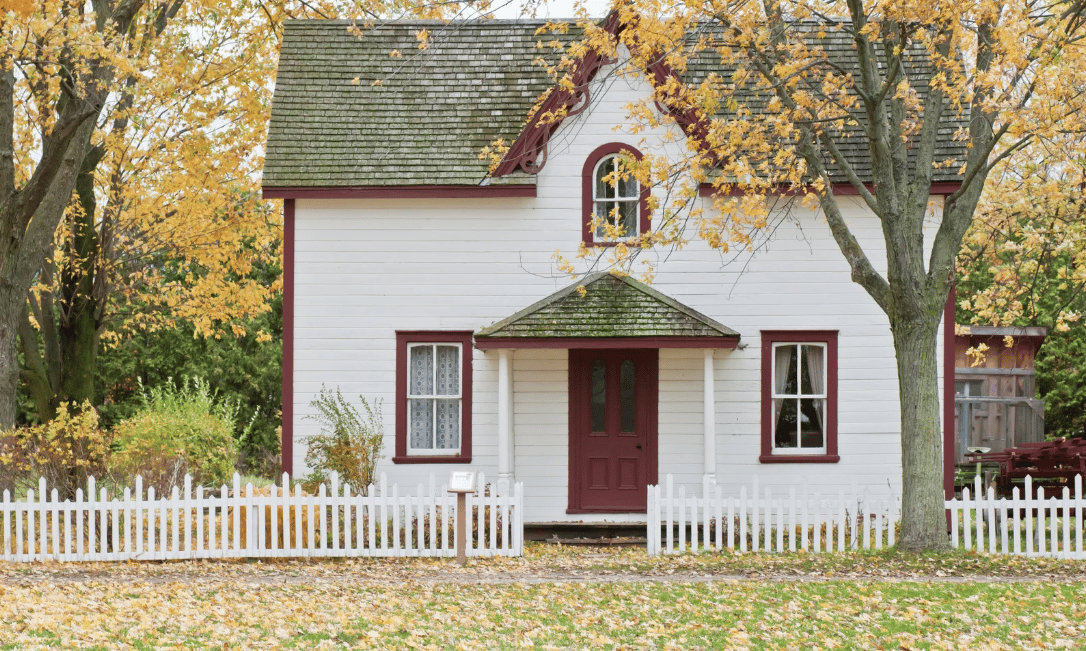
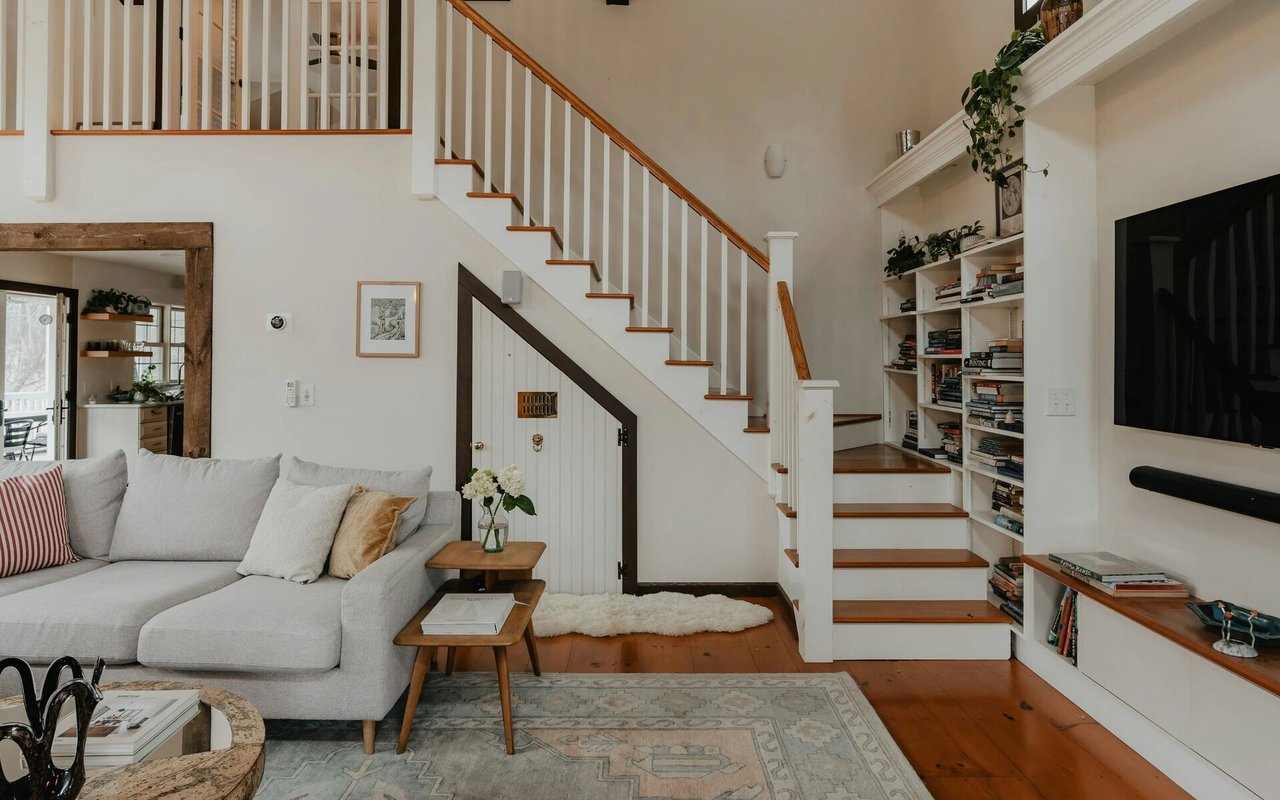
One of the first things an appraiser looks at is the basic structure of the home. That includes square footage, number of bedrooms and bathrooms, layout, and how well the space functions for everyday living. They also pay close attention to the overall condition of the property. A home that has been well maintained usually makes a stronger case for value than one with visible wear and tear. Peeling paint, worn flooring, damaged fixtures, or signs of neglect can raise concerns, even if the home has great potential.
Updates Help, But Only When They Add Real Value
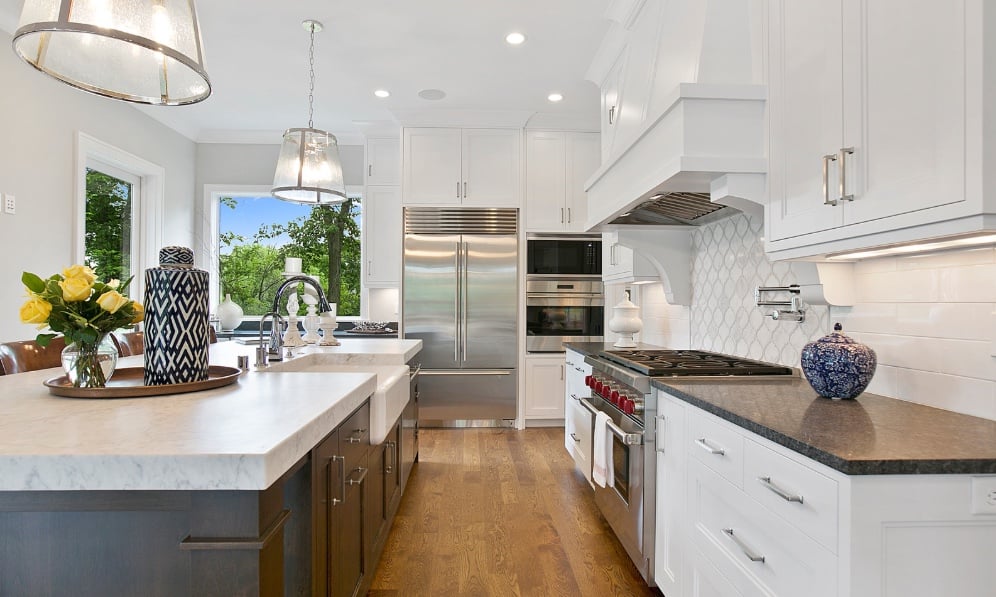
Many homeowners ask me whether upgrades automatically raise appraised value, and the honest answer is not always. Kitchens and bathrooms do matter, but appraisers are looking at quality, condition, and how your home compares to similar homes nearby. A full renovation may help, but even smaller updates like modern lighting, fresh paint, clean flooring, and working systems can make a difference. The key is not spending wildly before an appraisal. Focus on improvements that make the home feel cared for, functional, and in line with what buyers expect in your neighborhood.
Comparable Sales Carry a Lot of Weight
One of the biggest parts of the appraisal process is comparing your home to similar homes that have sold recently in your area. These are often called comparable sales, but what matters most is that they are truly similar in size, style, age, condition, and location. This is why two homes that look close on paper can still have different values. A home on a quieter street, in better condition, or with a more updated interior may come in higher than a similar one just a few blocks away. This is also why local market knowledge matters so much when setting expectations.
Location and Features Still Play a Big Role
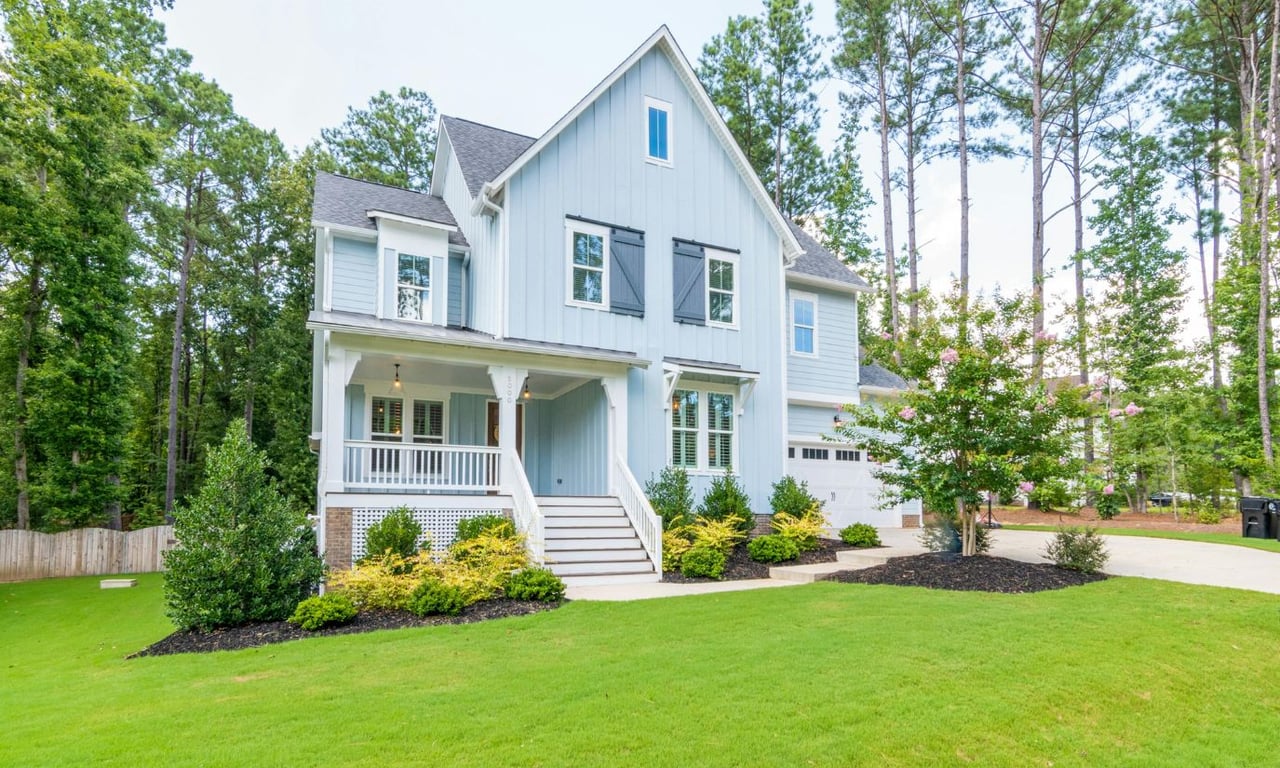
Appraisers also consider the things that make your home stand out within the local market. That can include lot size, garage space, outdoor living areas, views, storage, and even school district or neighborhood demand. At the same time, they look at anything that could hurt value, such as backing to a busy road, deferred maintenance, or features that are unusual for the area. I often remind sellers that value is not just about what you love about your home. It is also about how your home fits into the market around it and how buyers are likely to respond.
The Best Thing You Can Do Is Prepare Thoughtfully
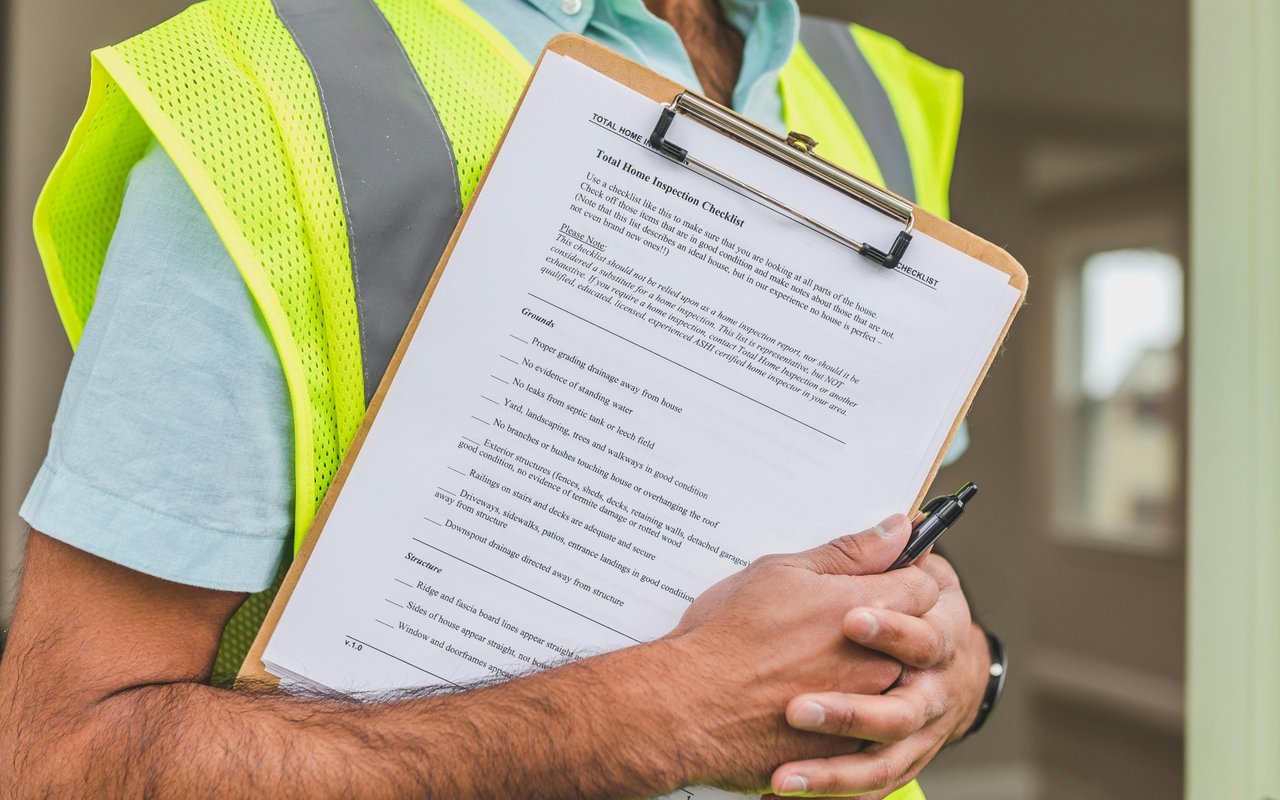
If you are expecting an appraisal, take time to clean up, handle simple repairs, and make a list of updates you have completed over the years. That list can include a new roof, heating and cooling replacement, kitchen improvements, flooring, windows, or landscaping. Make it easy for the appraiser to see that the home has been maintained. Most importantly, go in with realistic expectations and good local advice. A strong appraisal starts long before the appraiser arrives, and the more prepared you are, the better positioned you will be. If you are unsure how your home might be viewed in today’s market, talking with a local real estate professional can help you make smart next steps with confidence.