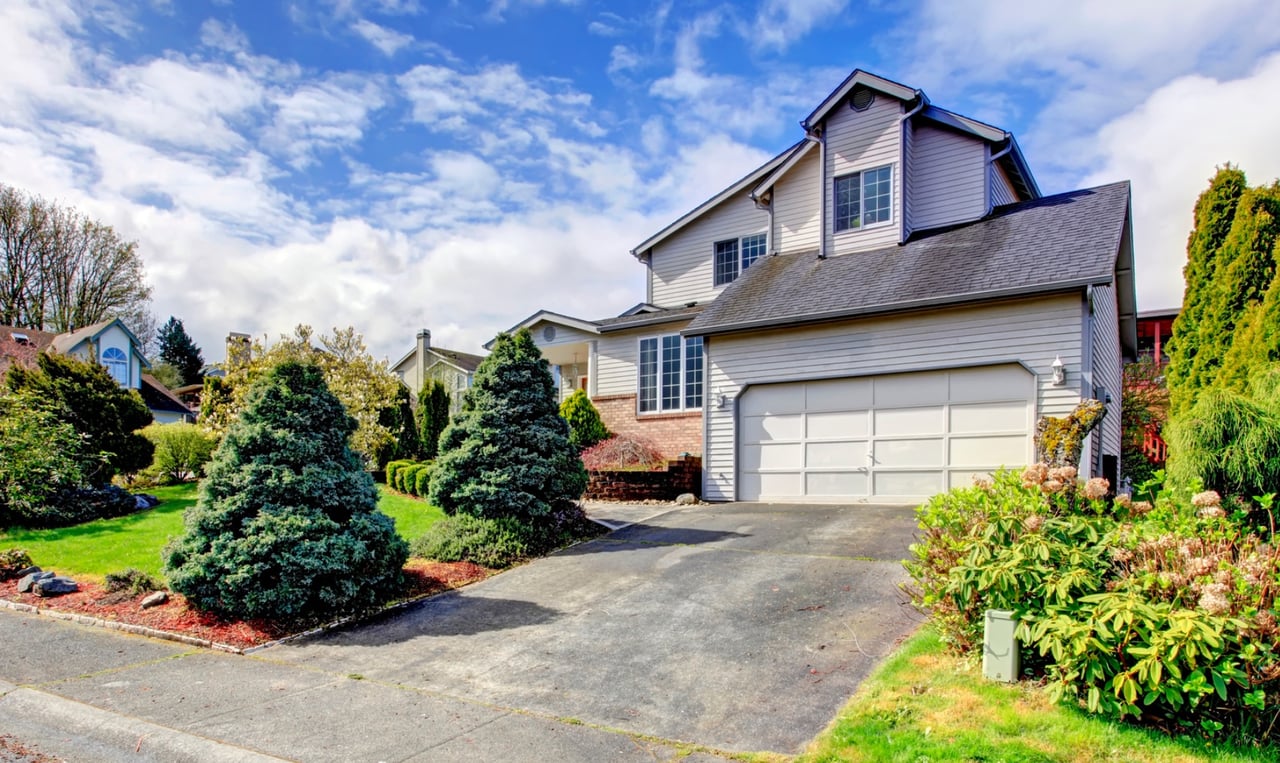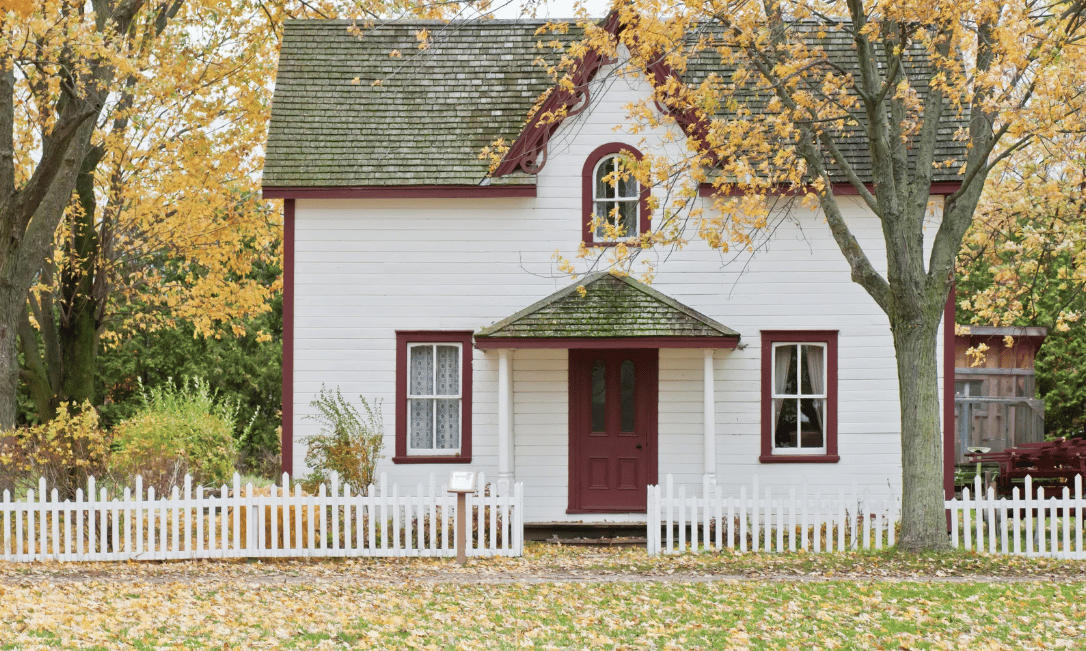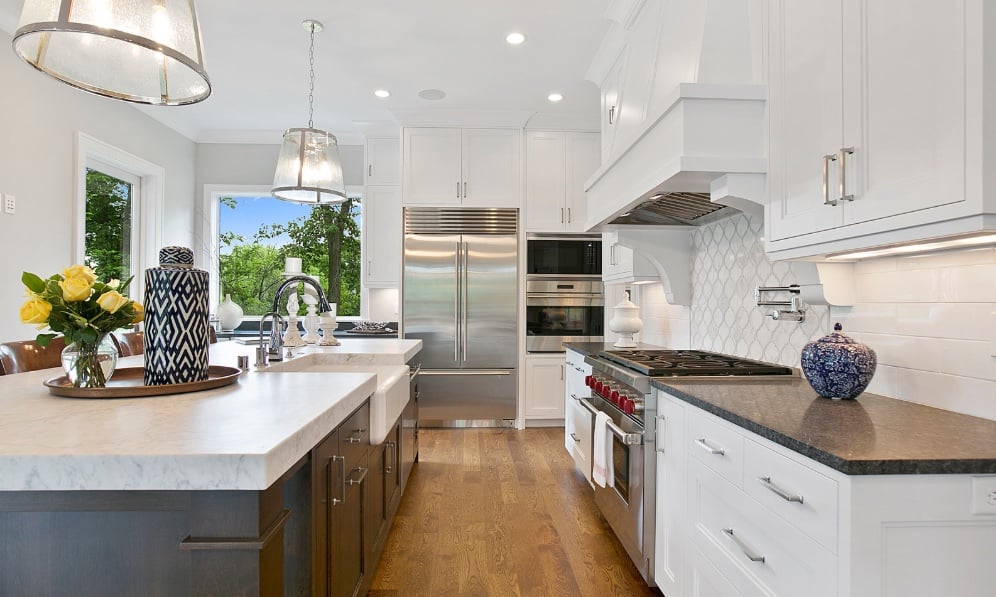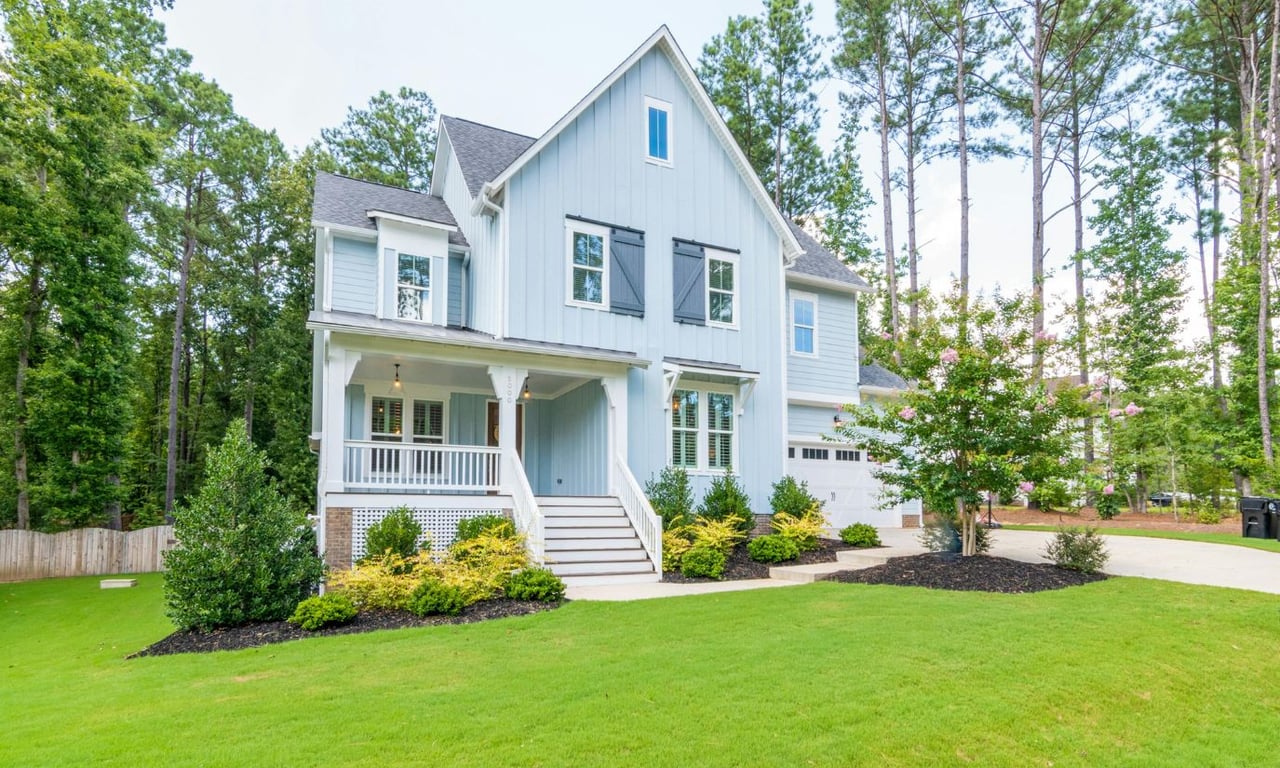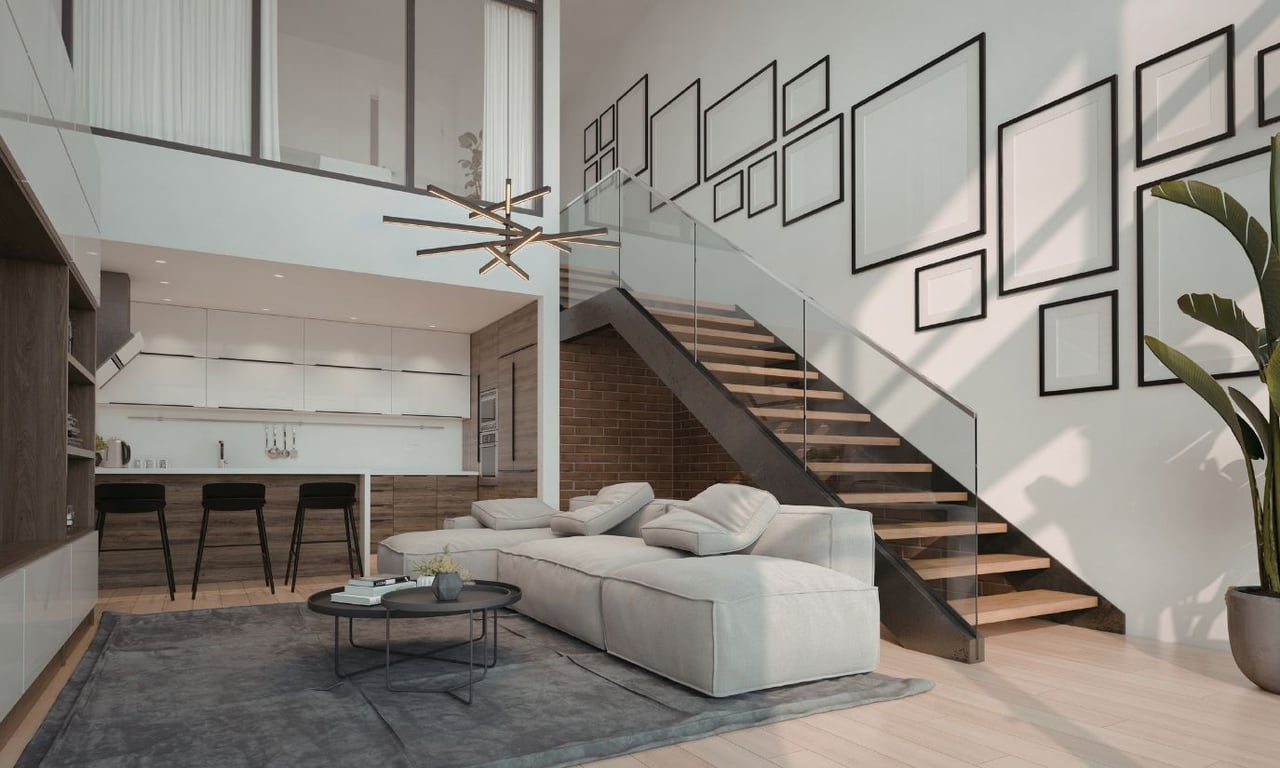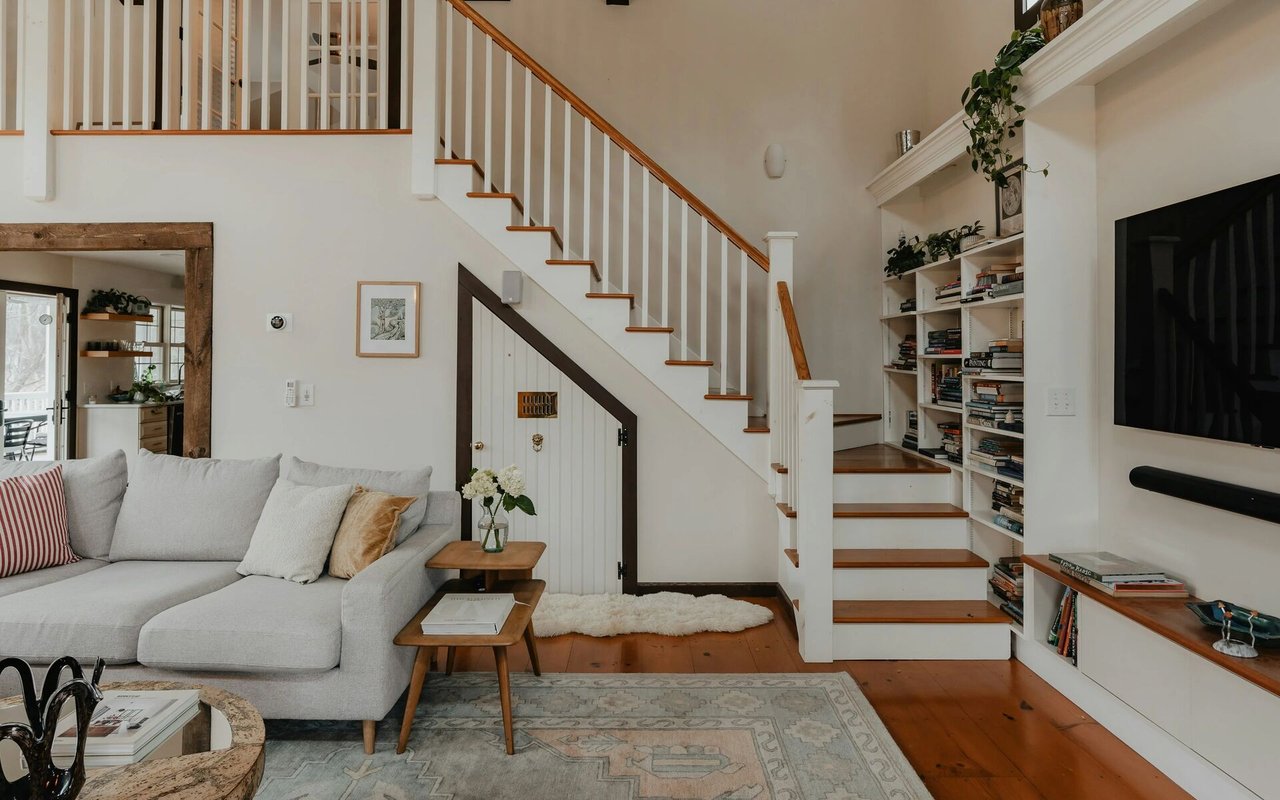
A home with a separate rental unit can sound like the best of both worlds, a place to live while having another source of income to help offset your monthly expenses. For some buyers, that can be an excellent opportunity. For others, the responsibilities that come with being a landlord may not fit their lifestyle or financial goals. I often encourage buyers to look beyond the potential rental income and consider the full picture before making a decision. A rental unit can add flexibility and value to a property, but it also comes with expenses, regulations, maintenance responsibilities, and the need to carefully evaluate whether the numbers actually work for you.
Consider How You Will Use the Space
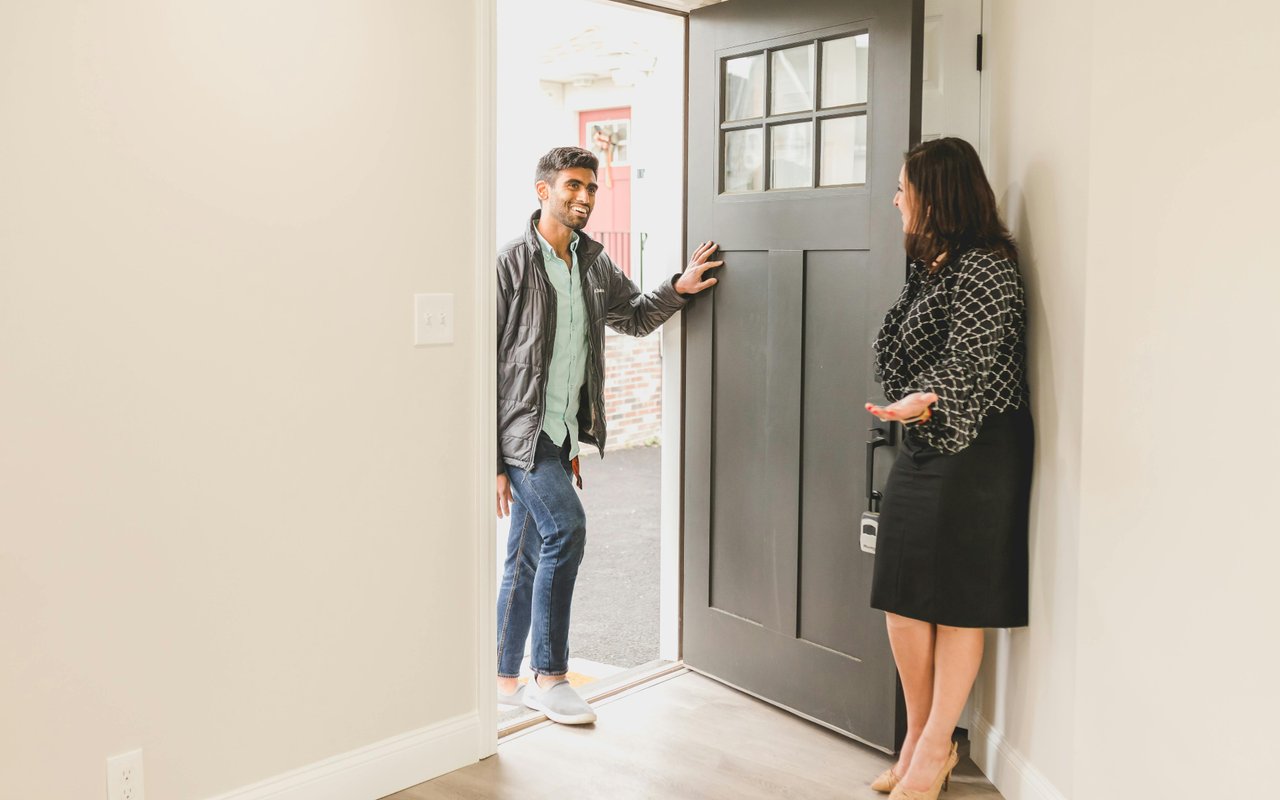
Before getting excited about rental income, think about how you would realistically use the property. You may plan to rent the unit to a long-term tenant, use it for visiting family, create a home office, or leave the space available for future needs. The layout and privacy of the property matter, especially when you will be living in the home at the same time as a tenant. Consider whether the rental has a separate entrance, kitchen, bathroom, parking, and utilities, and think about how much separation you want between your living space and the rental. The right setup can make sharing the property much easier, while a poorly designed arrangement can create challenges that are difficult to see during a showing.
Run the Numbers Carefully
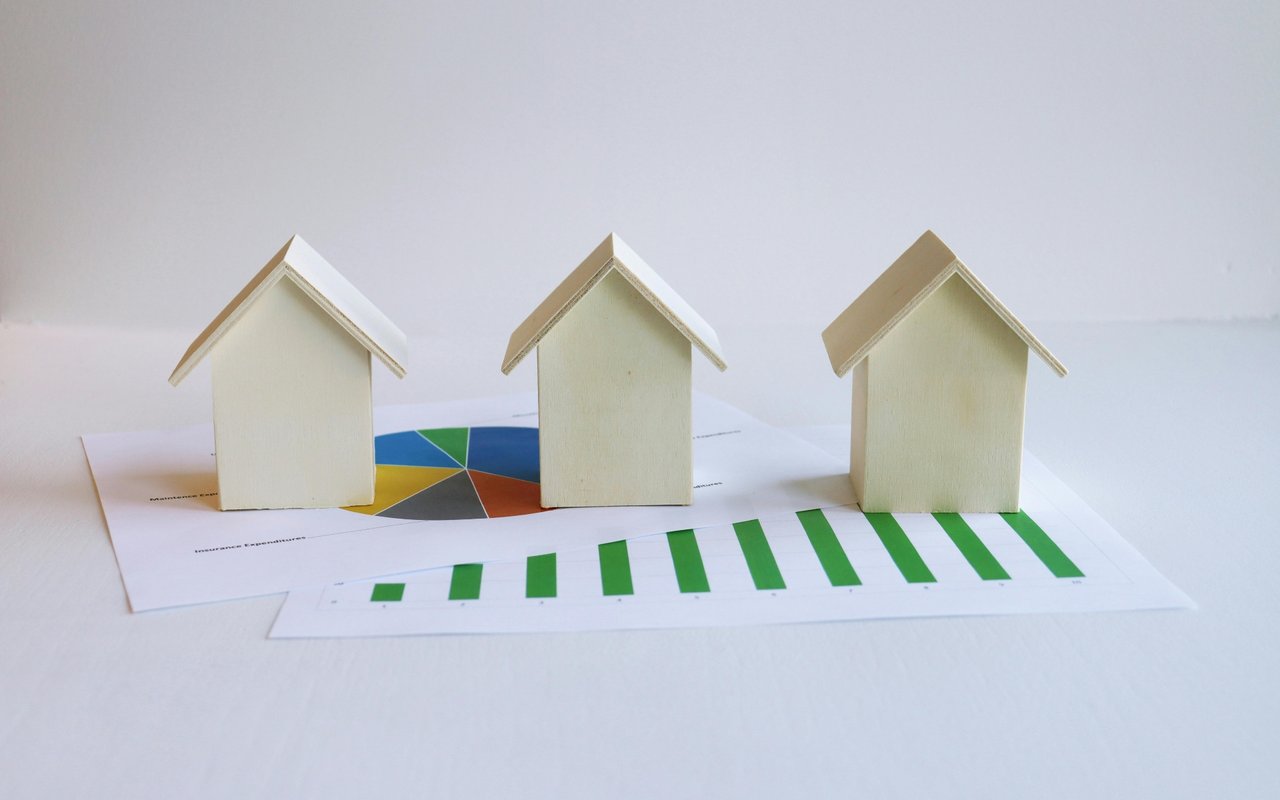
Potential rental income can be appealing, but it should never be the only factor in your budget. Start by researching realistic rents for similar units in the area rather than relying on an optimistic estimate from a listing. Then consider expenses such as maintenance, repairs, utilities, insurance, property taxes, vacancies, and unexpected costs. You should also make sure you can comfortably afford the home even during periods when the rental is vacant. I encourage buyers to create a conservative estimate and leave room for expenses they may not anticipate. The goal is to make sure the property works financially without depending on every month going perfectly.
Make Sure the Rental Unit Is Legal
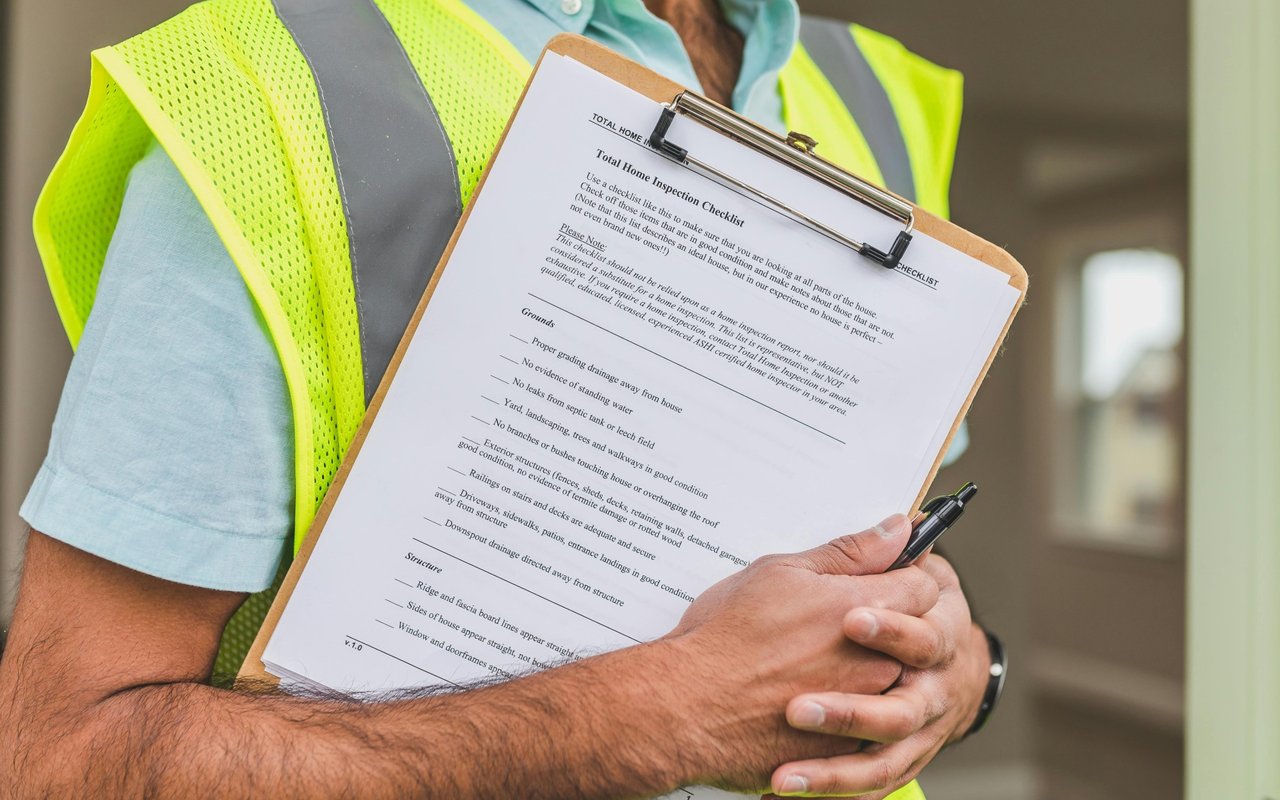
One of the most important steps is confirming that the rental unit is legally permitted. A property may have what appears to be a separate apartment, but that does not automatically mean it can legally be rented. Buyers should verify zoning requirements, permits, occupancy rules, and other local requirements before moving forward. It is also important to determine whether renovations or additions were completed with the appropriate approvals. A real estate professional can help identify questions to investigate, but buyers should work with the appropriate local authorities and professionals to verify the property's status. Finding out after closing that a rental arrangement is not permitted can create significant headaches and unexpected expenses.
Understand the Responsibilities of Being a Landlord
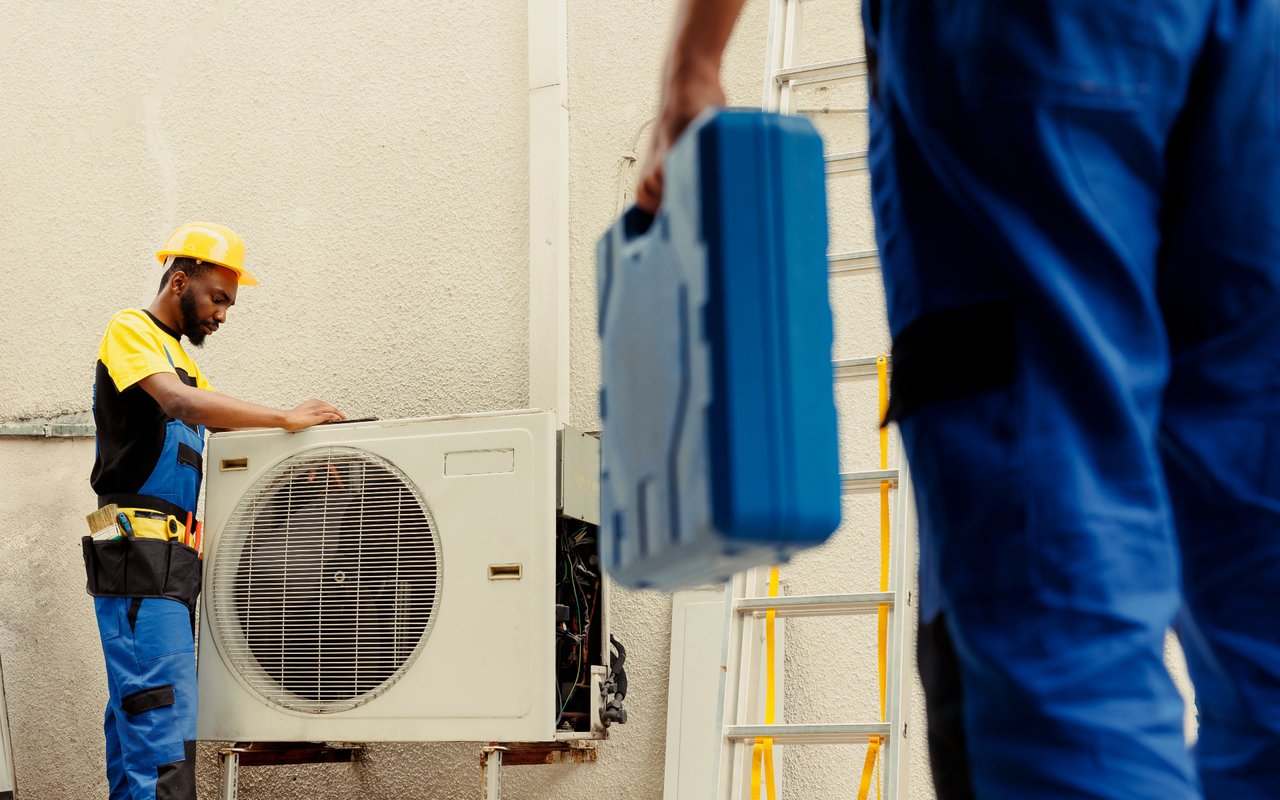
Rental income comes with responsibilities, even when the property is only partially rented. You may need to find and screen tenants, respond to maintenance requests, address repairs, collect rent, and follow applicable landlord and tenant requirements. Some homeowners enjoy having that level of involvement, while others quickly realize that they would rather have less responsibility. Before buying, think honestly about how you would handle a late payment, a plumbing problem, or a tenant issue on a busy week. You can potentially hire a property manager, but that adds another expense to consider when calculating whether the rental unit makes financial sense.
Look at the Long-Term Value
A home with a rental unit can offer benefits beyond monthly income. It may provide flexibility for multigenerational living, give you additional usable space, or create an opportunity to offset some housing expenses over time. However, you should also think about resale appeal, future changes in your lifestyle, and whether the property will continue to meet your needs several years from now. The best purchase is not necessarily the home with the highest possible rental income, it is the one that fits your finances and your everyday life. Before making an offer, review the property's income potential, legal status, condition, expenses, and long-term fit with your real estate professional. With the right due diligence, a home with a rental unit can be a smart and flexible addition to your real estate plans.