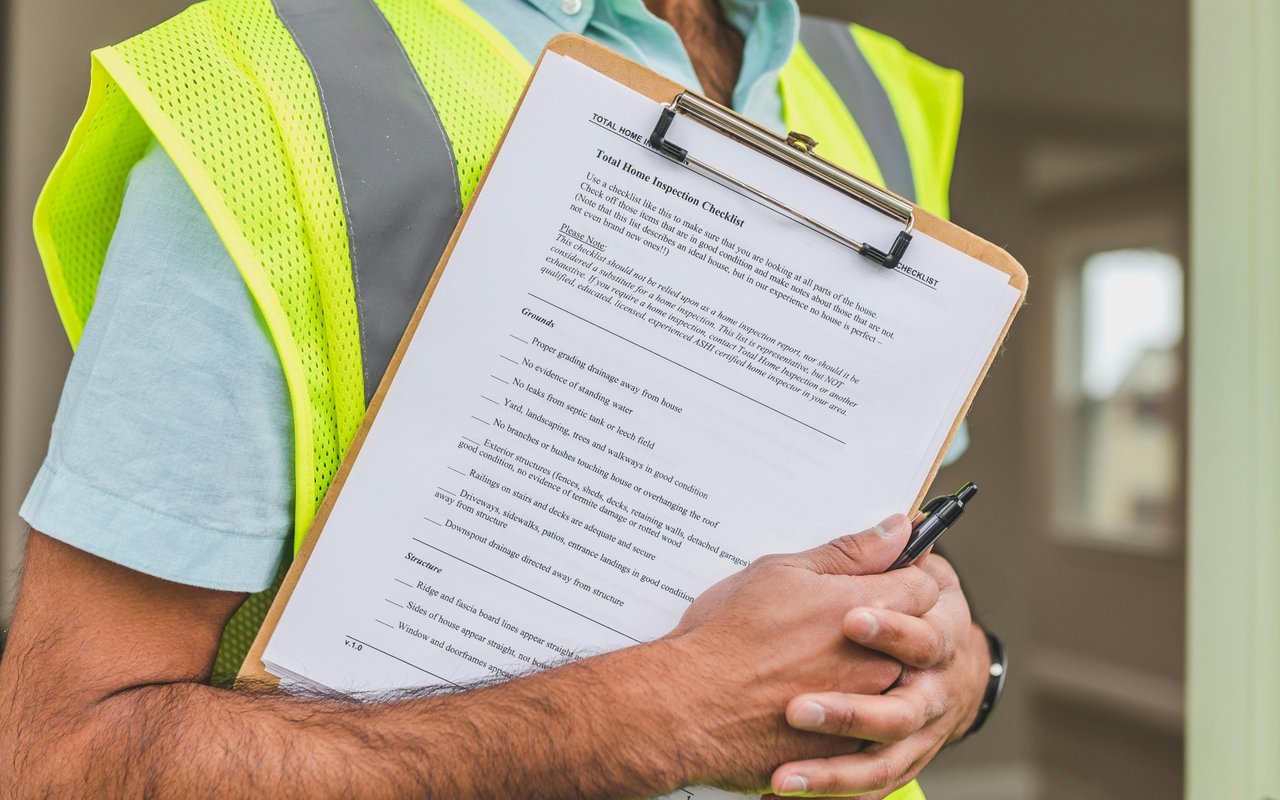
A home inspection is one of the most important steps in the home-buying process. It provides a clear picture of the property’s condition and can reveal hidden problems that may require costly repairs. While minor issues are common in any home, some problems are serious enough to be considered deal breakers. Buyers need to be aware of these major red flags before making one of the biggest investments of their lives.
Foundation Problems: A Home’s Worst Nightmare
A solid foundation is critical to a home’s stability. If an inspection reveals foundation issues, it can signal major structural concerns. Common warning signs include large cracks in walls or floors, doors that don’t close properly, and sloping floors. Foundation repairs can be extremely expensive, sometimes costing tens of thousands of dollars. If the damage is severe, it may not be worth the investment, and buyers should strongly consider walking away.
Roofing Issues: A Costly Fix
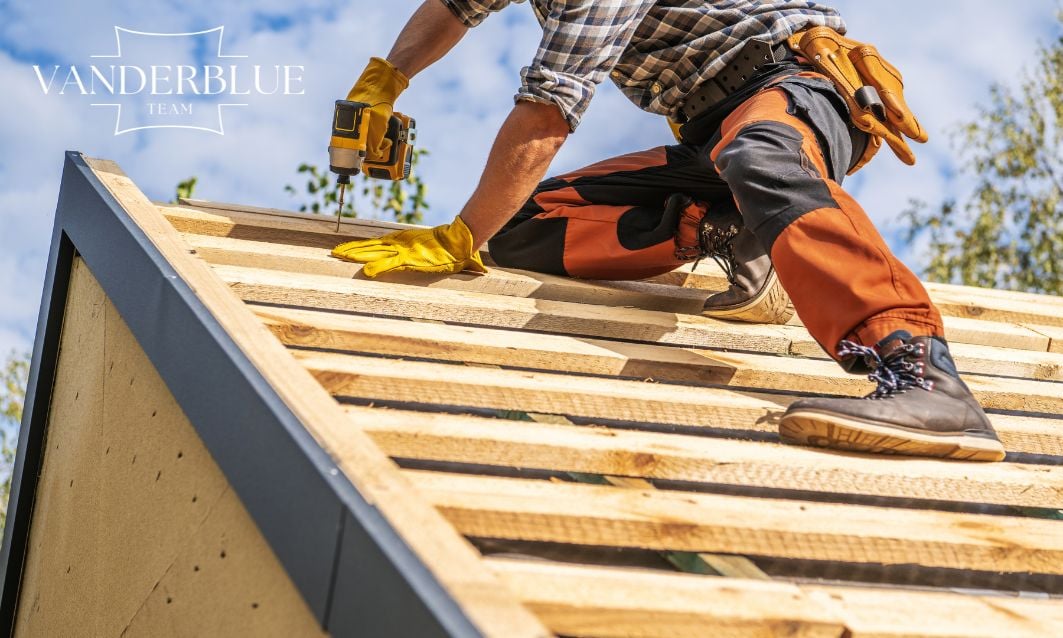
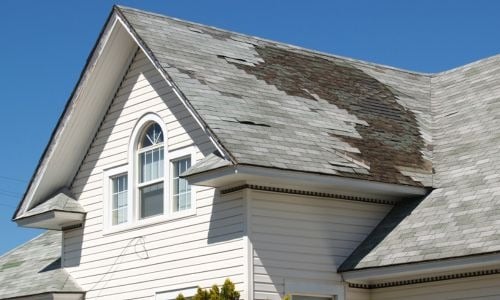
The roof is a home’s first line of defense against weather-related damage. If it’s in poor condition, buyers could be looking at expensive repairs or even a full replacement. Inspectors look for missing, curling, or cracked shingles, as well as water stains on ceilings, which indicate leaks. A sagging roof is another major red flag, as it can signal structural problems. Since roof replacements can cost thousands of dollars, buyers should carefully assess whether they are willing to take on this expense.
Plumbing Problems: More Than Just a Drip
Leaks, poor water pressure, and slow drainage might seem like minor annoyances, but they can indicate significant plumbing issues. Old or corroded pipes, such as lead or polybutylene piping, may require full replacement, which can be a major expense. Water damage from leaks can also lead to mold growth, which poses health risks and requires professional remediation. If the plumbing system is outdated or failing, buyers should think twice before proceeding with the purchase.
Electrical System Hazards: A Fire Risk
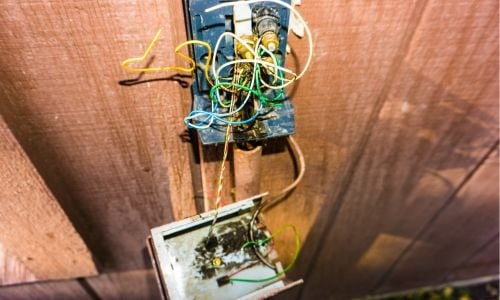
Outdated or faulty electrical systems are not just inconvenient as they can be really dangerous. Exposed wiring, outdated panels, and overloaded circuits increase the risk of electrical fires. Some older homes have aluminum wiring, which is known to be a fire hazard. A full rewiring job can be expensive and time-consuming. If an inspector finds serious electrical hazards, buyers may want to reconsider their purchase unless they’re prepared to invest in necessary upgrades.
HVAC System Failures: An Expensive Replacement
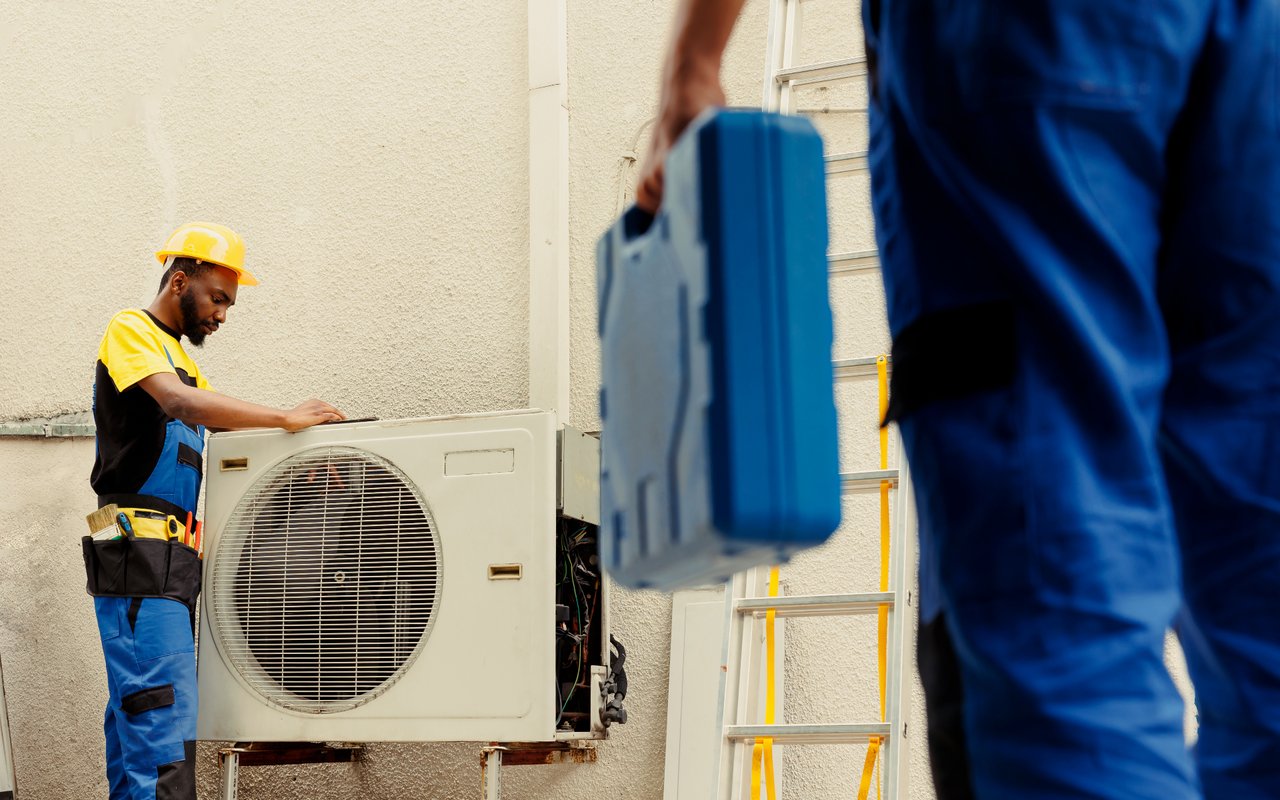
A home’s heating, ventilation, and air conditioning (HVAC) system affects both comfort and energy efficiency. If the system is old, inefficient, or poorly maintained, it may require replacement. Inspectors check for weak airflow, inconsistent temperatures, and strange noises from the system. If an HVAC unit is over 15 to 20 years old, it may need replacing soon, which can cost thousands of dollars. Buyers should consider this when evaluating a home’s true cost.
Water Damage and Mold: Hidden Dangers
Water damage is a major red flag in any home. It can lead to structural issues and create the perfect environment for mold growth. Signs of water damage include stains on walls and ceilings, musty odors, and warped flooring. Mold is not only costly to remove but can also cause health problems. If an inspection reveals significant water damage or mold, buyers should determine whether the problem has been properly addressed or if it’s a deal breaker.
Pest Infestations: Unwanted House Guests
Termites, rodents, and other pests can cause extensive damage to a home. Termite infestations, in particular, can weaken a home’s structure by eating away at wood. Signs of termites include mud tubes along the foundation and hollow-sounding wood. Rodents can also cause problems by chewing through electrical wiring and insulation. If an inspector finds evidence of a serious infestation, buyers should factor in the cost of extermination and any necessary repairs before proceeding with the purchase.
When It’s Time to Walk Away
Not every issue uncovered in a home inspection is a deal breaker, but some problems are too costly or risky to ignore. Major foundation issues, extensive water damage, and outdated electrical or plumbing systems can turn a dream home into a financial burden. If the estimated repair costs are too high or the seller is unwilling to negotiate, it may be best to walk away.
A thorough home inspection helps buyers make an informed decision and avoid costly surprises. Understanding these common deal breakers ensures that buyers invest in a home that is safe, structurally sound, and worth the price.