A year-end closing can feel exciting, especially when you’ve been working toward buying or selling a home for months. At the same time, November and December bring holidays, travel, shortened business hours, and busy schedules, which can make the final stretch feel a little more complicated. One of the biggest mistakes I see is assuming that once a contract is signed, everything will automatically fall into place. There are still important steps between an accepted offer and closing day, and planning ahead can make the process much smoother.
Know Your Important Dates
Once you have a contract, keep track of every deadline and make sure you understand what needs to happen before closing. Depending on the transaction, that can include inspections, financing requirements, appraisal, title work, insurance, repairs, and final paperwork. Year-end transactions have less flexibility when holidays affect business days, so a missed deadline can create unnecessary stress. I recommend keeping a simple calendar of important dates and staying in regular contact with your agent, lender, attorney, and other professionals involved in the transaction.
Stay on Top of Your Finances
For buyers, financial preparation becomes especially important as closing approaches. Avoid making major purchases, opening new credit accounts, changing jobs unnecessarily, or moving large amounts of money without discussing it with your lender first. Your financial situation may continue to be reviewed before the loan is finalized. Sellers should also keep an eye on their expected proceeds and any outstanding expenses connected to the property. If you have questions about where your money is coming from or where it is going, ask early rather than waiting until the last few days before closing.
Plan for Holiday Delays
The holiday season can affect everyone involved in a transaction. Banks, attorneys, title companies, lenders, municipal offices, and other businesses may have limited schedules around Thanksgiving, Christmas, and New Year’s. Even a small delay can become more noticeable when fewer business days are available. If your closing is scheduled near a holiday, confirm the timeline early and ask whether there are any documents or tasks that should be completed ahead of schedule. A little preparation can prevent a last-minute scramble.
Do Your Final Walk-Through
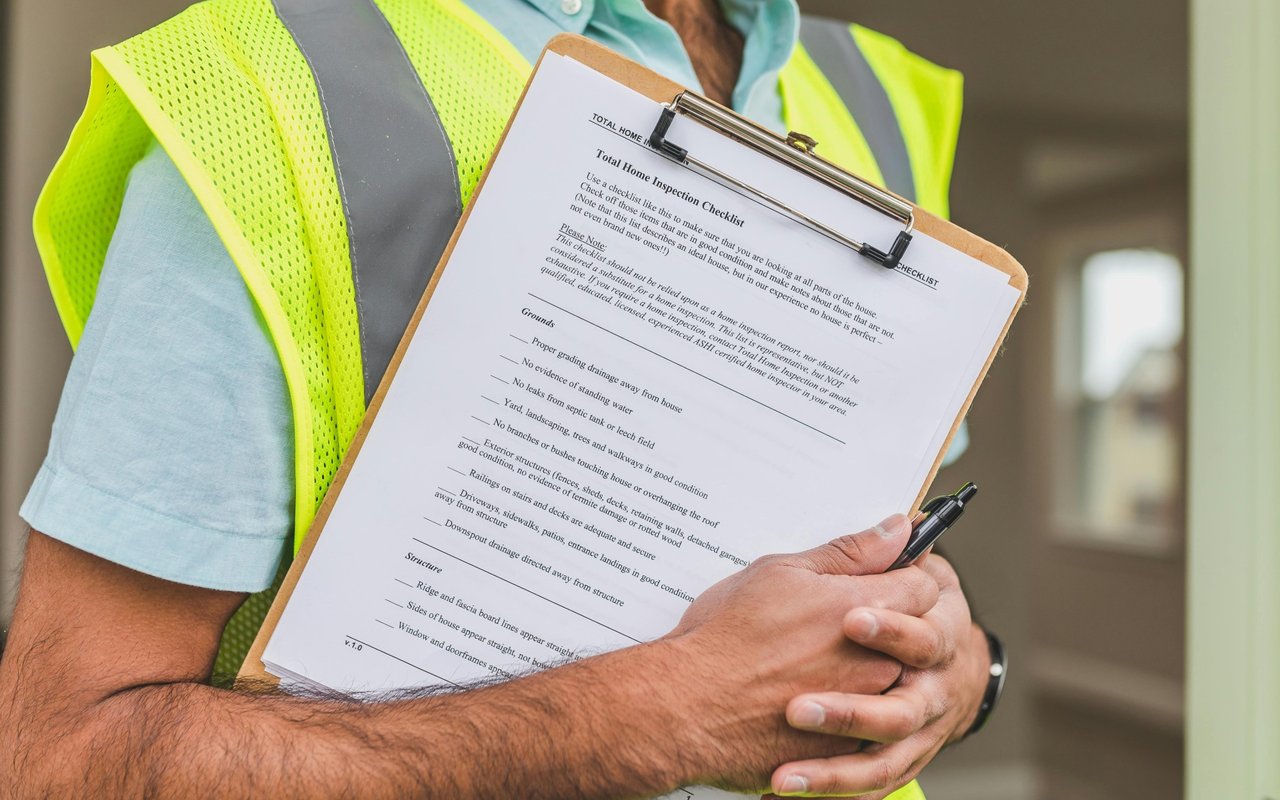
Buyers should also make time for the final walk-through before closing. This is an opportunity to confirm that the property is in the expected condition and that agreed-upon repairs have been completed. Make sure items that were supposed to remain with the home are still there and check for any obvious issues that weren’t present when you first viewed the property. The final walk-through isn’t another home inspection, but it is an important final check before ownership changes hands.
The best year-end closings are usually the ones where everyone understands the timeline and communicates early. Whether you’re buying or selling, don’t let the holiday calendar make you feel rushed or caught off guard. Keep your paperwork organized, stay responsive, ask questions when something is unclear, and give yourself extra time whenever possible. If you’re hoping to close before the end of the year, having a clear plan from the beginning can make the final weeks much easier to manage.