When buyers fall in love with a home, flood zones and insurance are not always the first things they think about. But as a real estate professional who has helped many clients through the buying and selling process, I can tell you this is one detail you do not want to overlook. A home’s flood zone can affect insurance costs, loan requirements, resale value, and long-term peace of mind. The good news is that once you understand the basics, you can make a much more confident decision.
What a Flood Zone Really Means
A flood zone is an area identified based on the level of flood risk. Some homes are located in higher-risk zones, while others are considered lower risk. This does not always mean the home has flooded before, and it does not mean flooding is guaranteed. It simply means the property has a certain level of risk based on maps, elevation, nearby water sources, drainage patterns, and other factors. Buyers should look at the flood zone as one part of the bigger picture, not as an automatic reason to walk away.
When Flood Insurance May Be Required
If a home is located in a higher-risk flood zone and the buyer is using a mortgage, the lender may require flood insurance before approving the loan. This is because standard homeowners insurance usually does not cover flood damage. Flood insurance is a separate policy, and the cost can vary depending on the property, coverage amount, flood zone, and elevation details. Before making an offer, buyers should ask their lender and insurance provider what may be required so there are no surprises later.
Why Sellers Should Be Prepared
Sellers should also understand how flood zones can affect the sale. If the home is in a flood zone, buyers may ask questions about insurance costs, past flooding, drainage improvements, or elevation certificates. Being prepared with clear information can help build trust and reduce uncertainty. If the seller already has flood insurance, sharing general cost details early can help buyers better understand the monthly expense. The more transparent the seller is, the easier it is for buyers to feel comfortable moving forward.
Look Beyond the Map
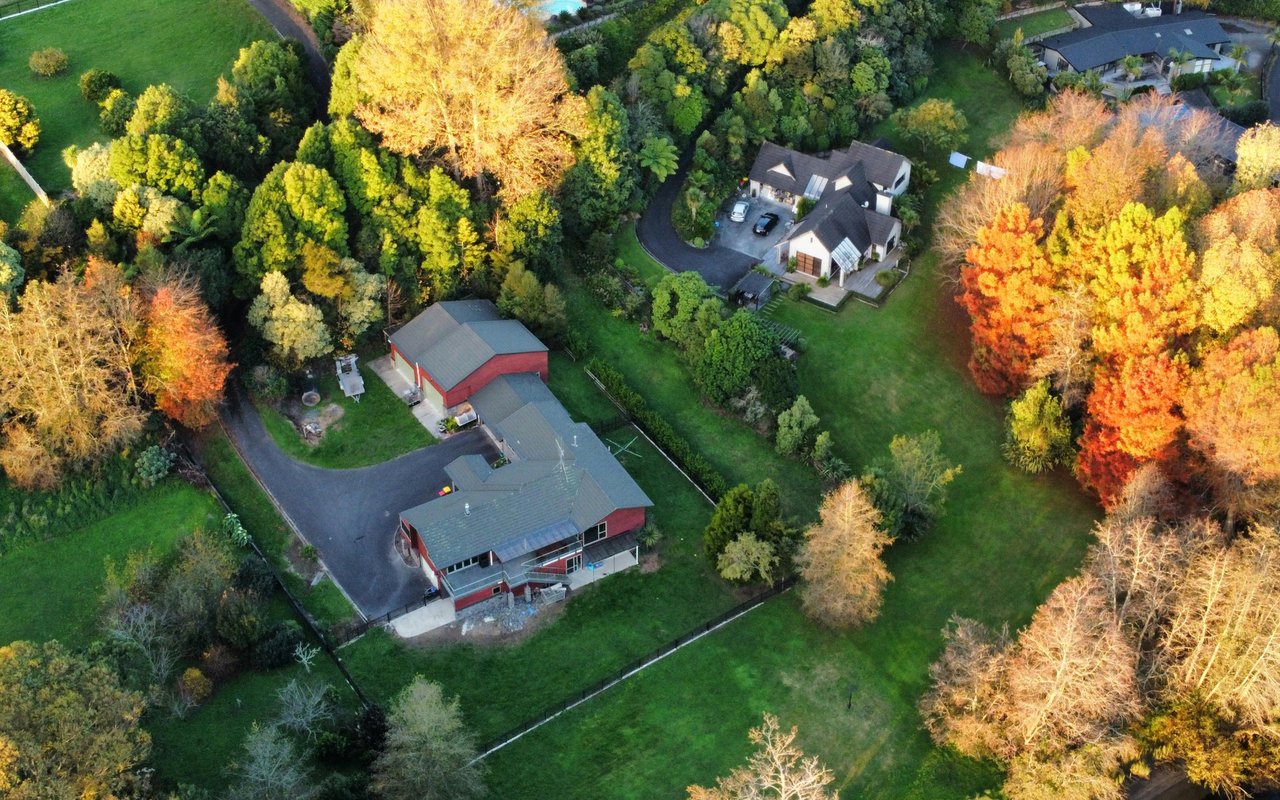
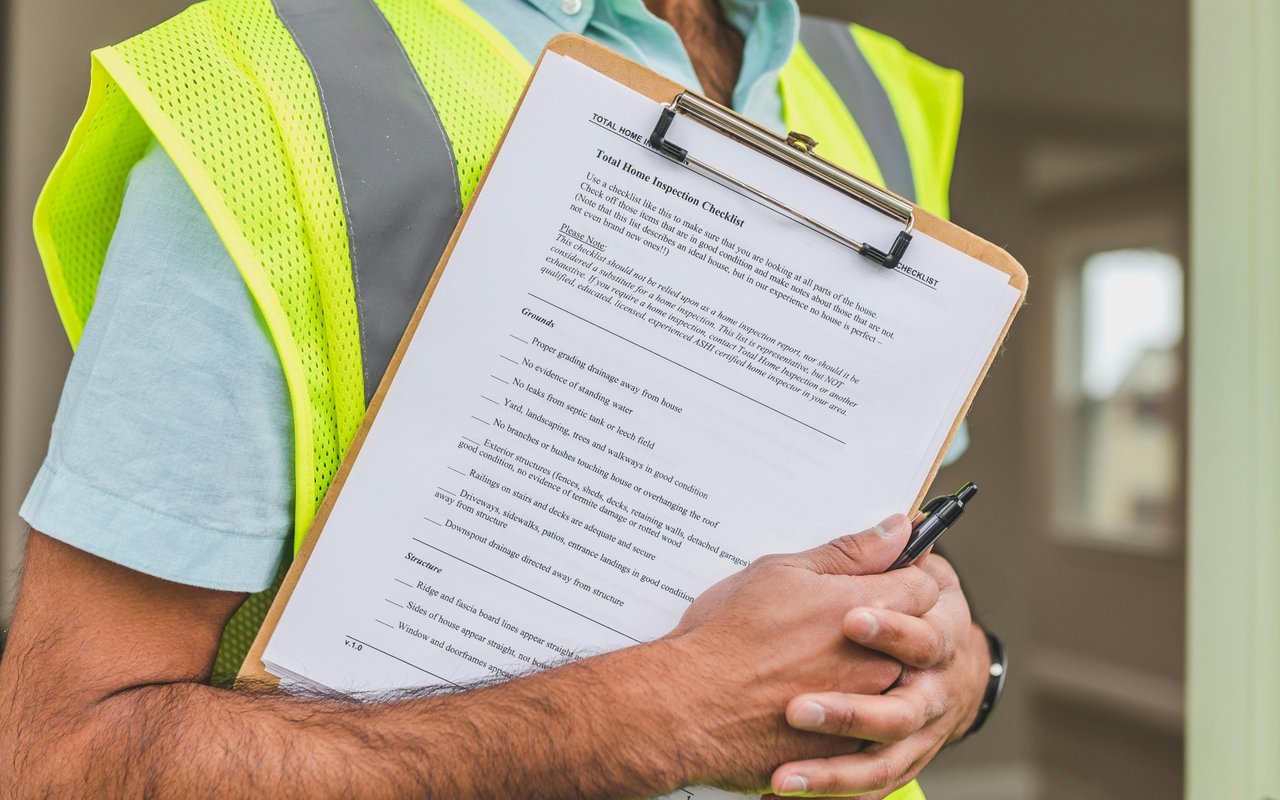
Flood maps are important, but they do not tell the whole story. Buyers should also look at the property’s actual condition, grading, gutters, sump pump, basement history, nearby streams, stormwater systems, and neighborhood drainage. A home in a lower-risk zone can still experience water issues, while a home in a higher-risk zone may have strong protections in place. This is why inspections, insurance quotes, and local knowledge matter. You want to understand the real-world risk, not just the label on the map.
Make an Informed Decision
Flood zones and insurance do not have to scare buyers or sellers, but they do need to be taken seriously. Buyers should confirm insurance requirements early, review costs carefully, and ask the right questions before removing contingencies. Sellers should be ready to provide helpful information and address buyer concerns with facts. With the right guidance, a flood zone does not have to stop a successful sale. It simply becomes another part of making a smart, informed real estate decision.