
In a crowded market, a strong listing is not the one with the fanciest description; it is the one that makes buyers feel confident enough to book a showing fast and write a clean offer. After years of helping sellers compete side by side with dozens of similar homes, I can tell you this: buyers scroll quickly, they compare constantly, and they move on the moment something feels unclear, overpriced, or hard to imagine living in. The good news is you do not need a perfect home to create a powerful listing. You need the right presentation, pricing, and plan.
1. Start with a sharp pricing strategy, not wishful thinking
In a crowded market, pricing “a little high to leave room to negotiate” usually backfires. Buyers are more educated than ever, and they can spot a stretch price in seconds. A strong listing is priced with purpose based on recent comparable sales, current competition, and your home’s true strengths. One practical approach is to choose a price point that shows up in more searches, like pricing at $499,000 instead of $515,000 if it places you in a larger buyer pool. When the price feels fair, you get momentum early, and momentum is what creates multiple showings and stronger offers.
2. Make the first impression online feel effortless
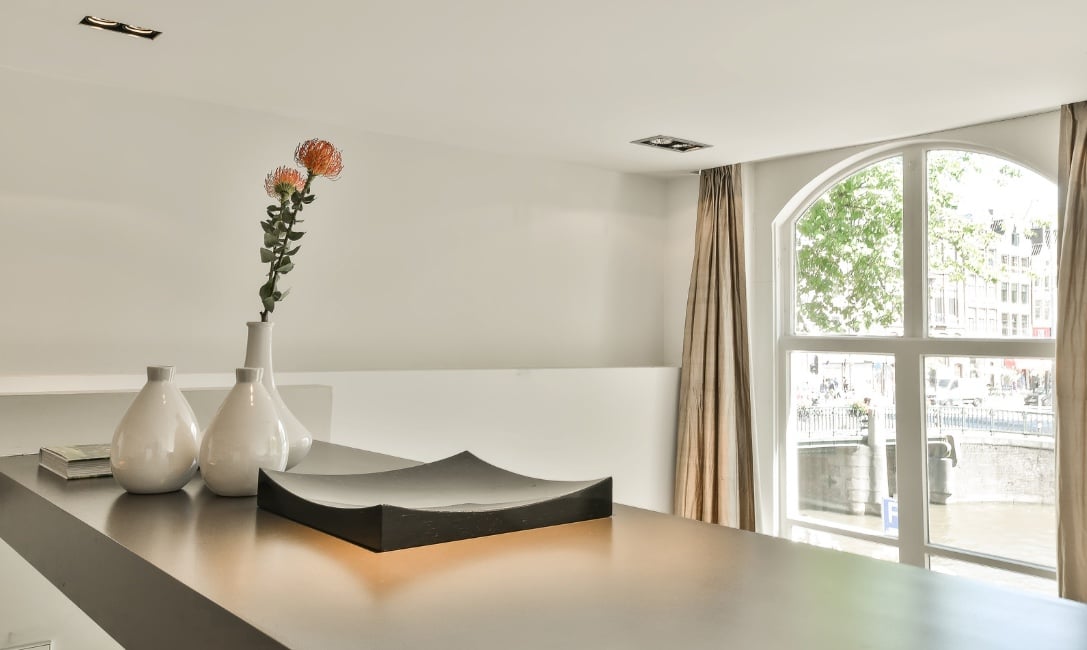
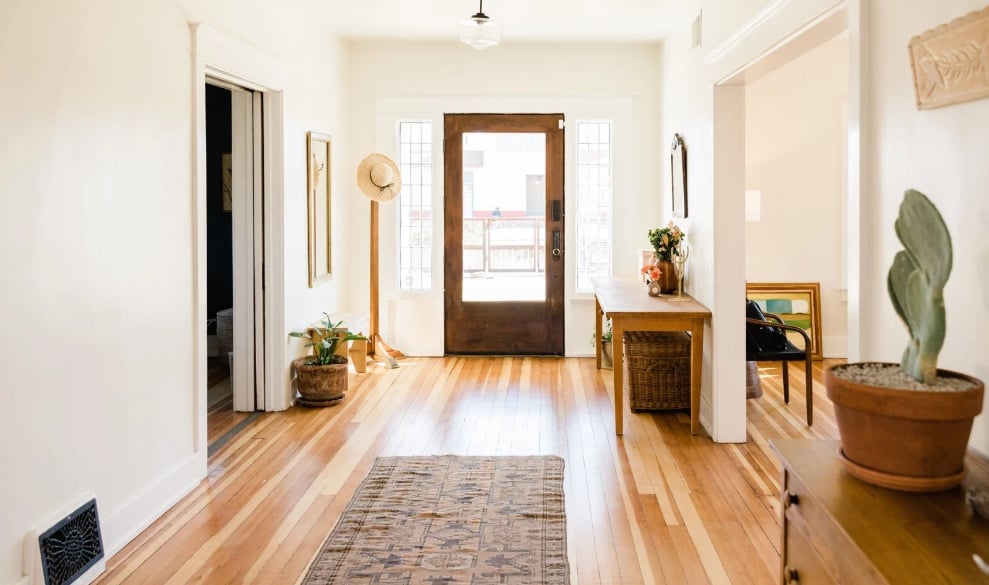
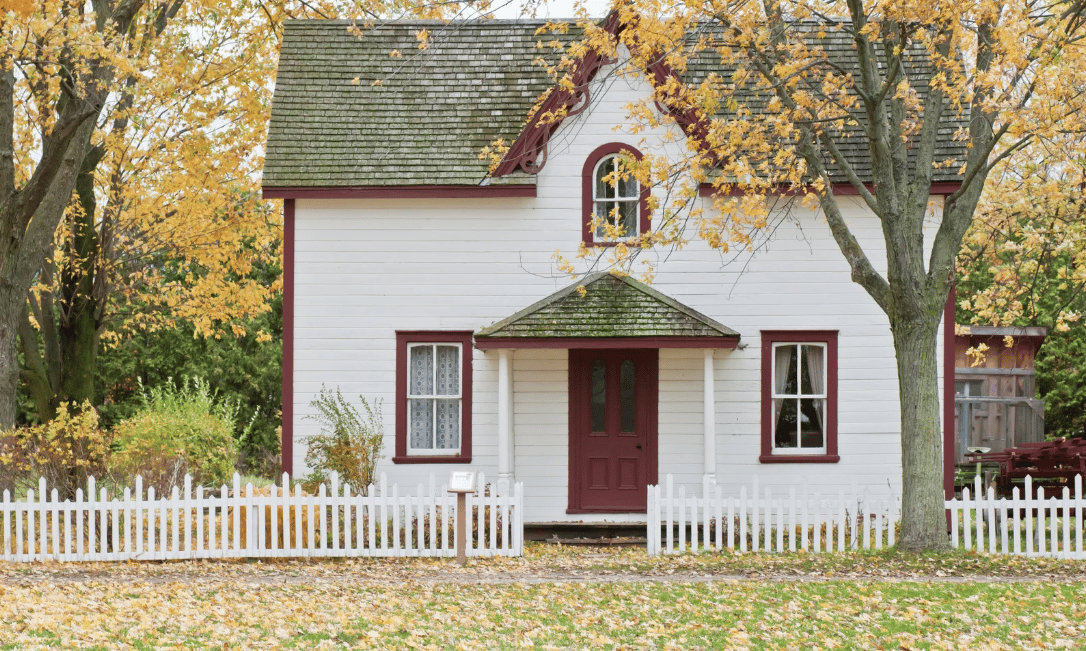
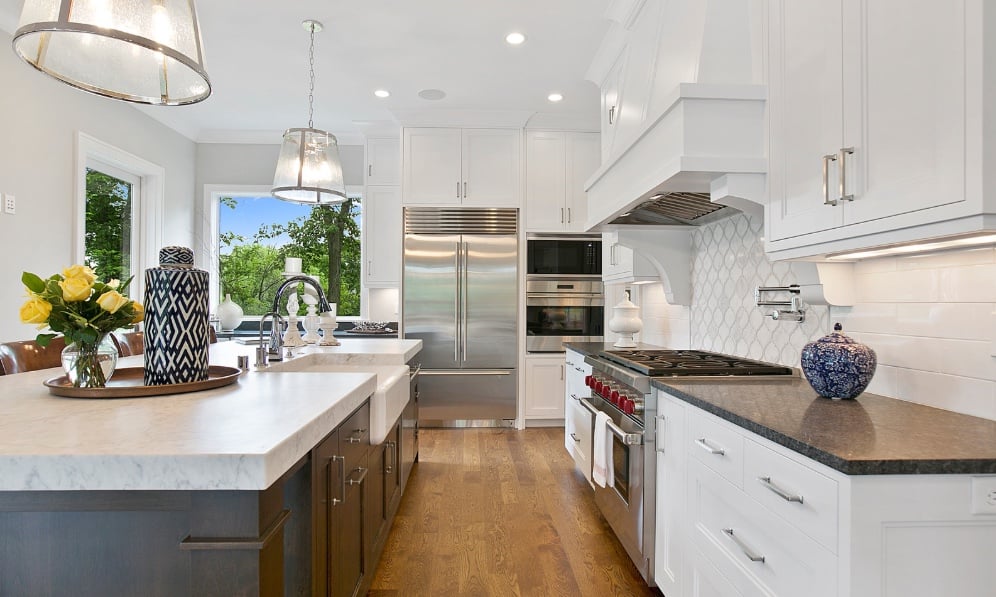
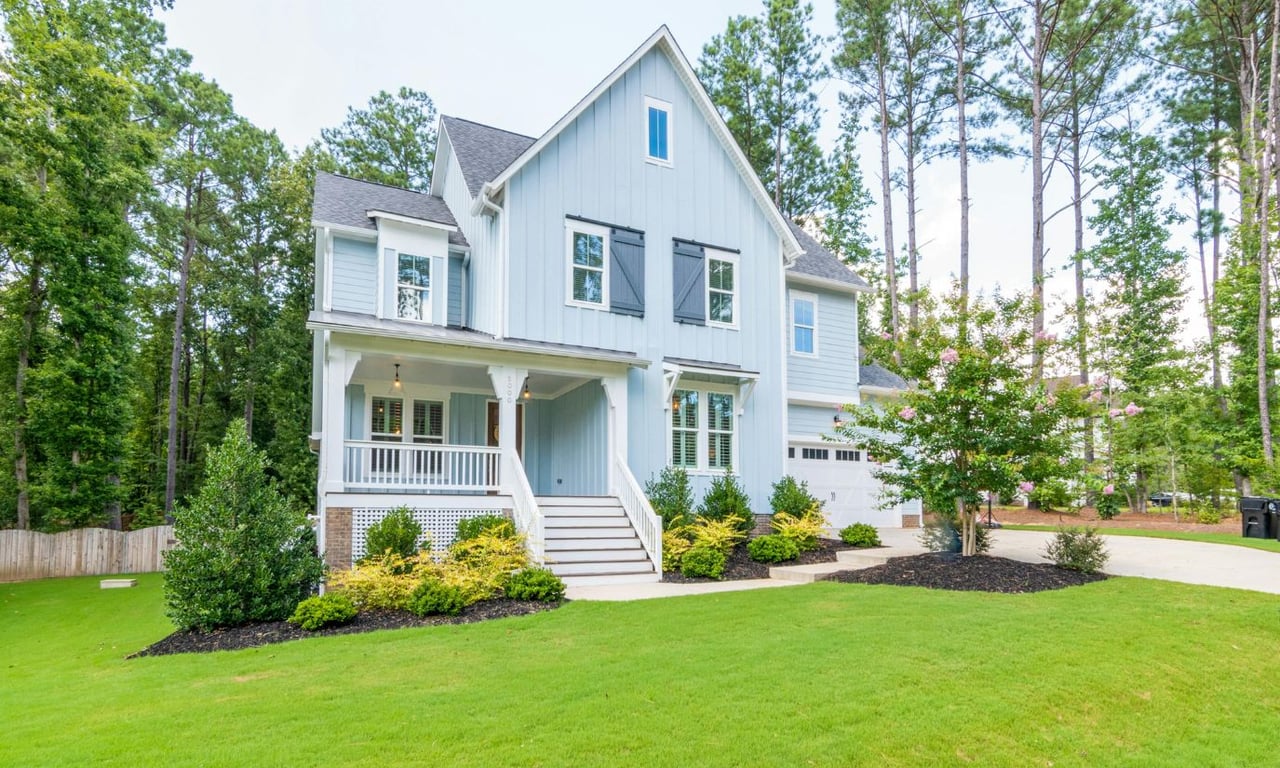
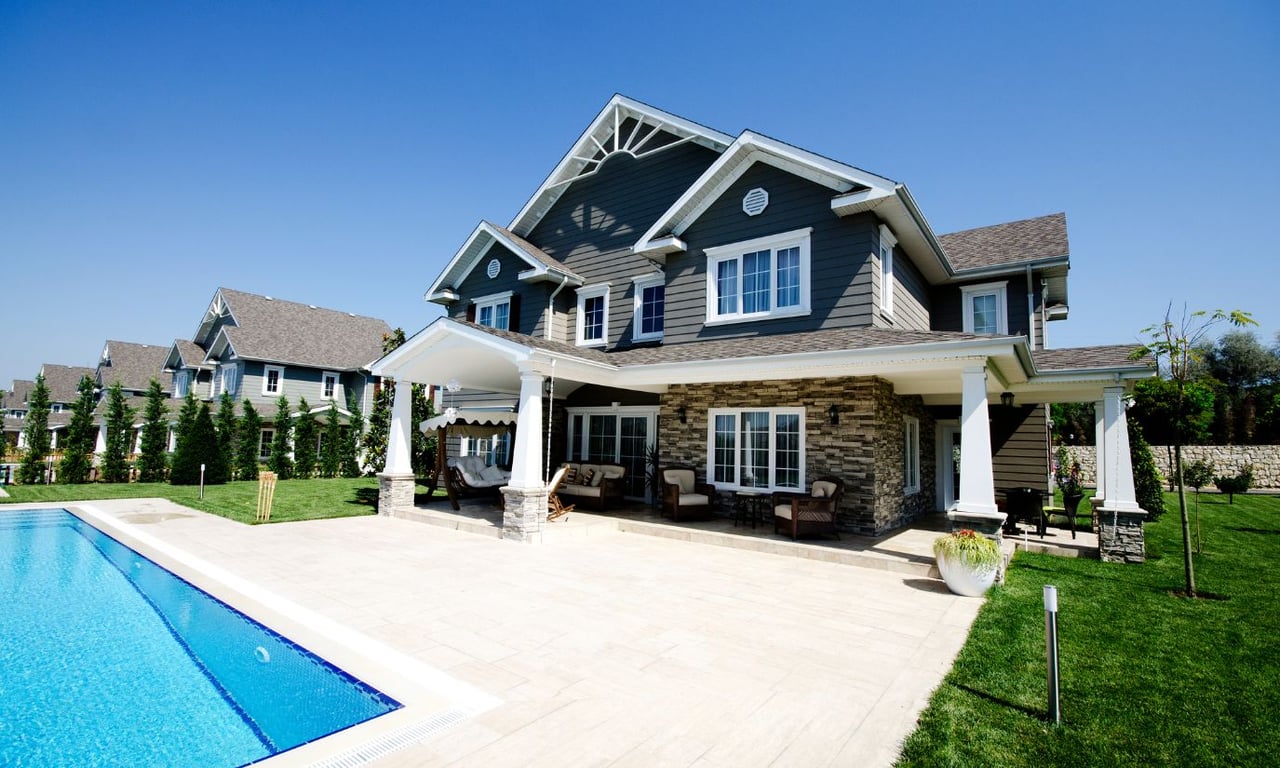
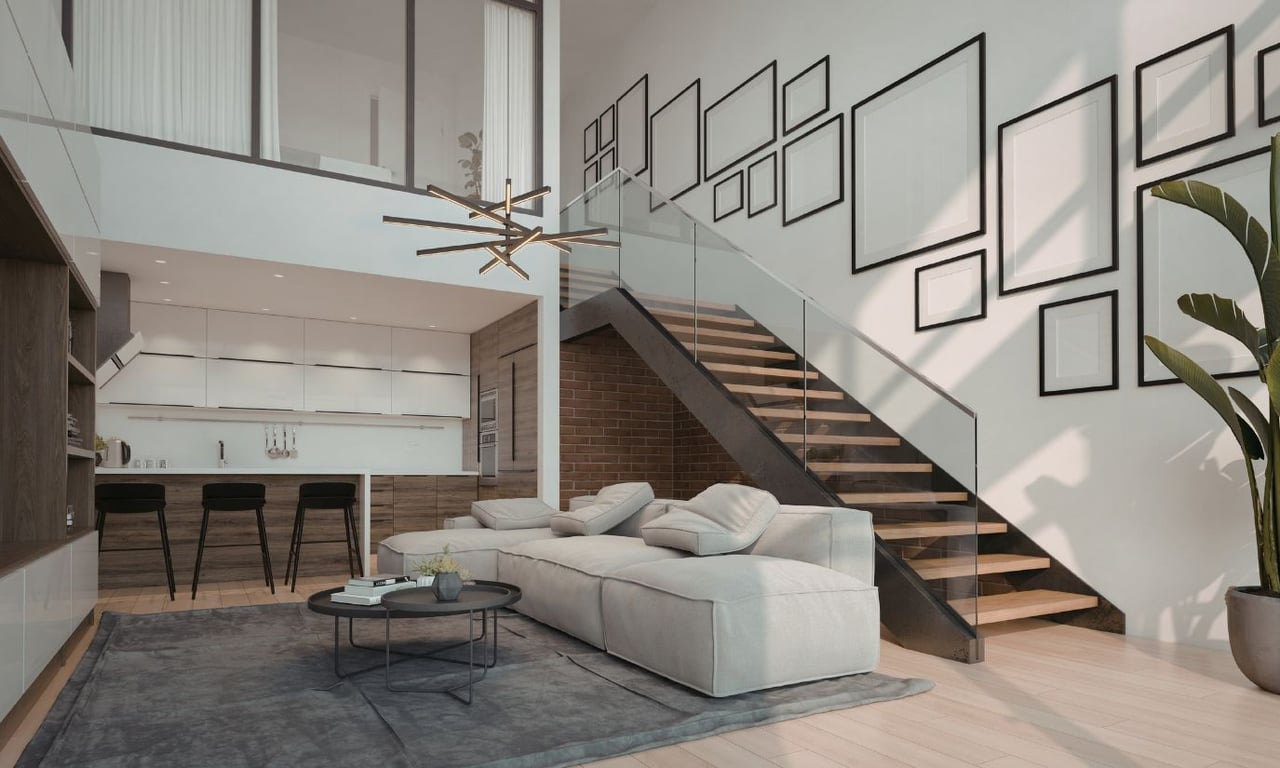
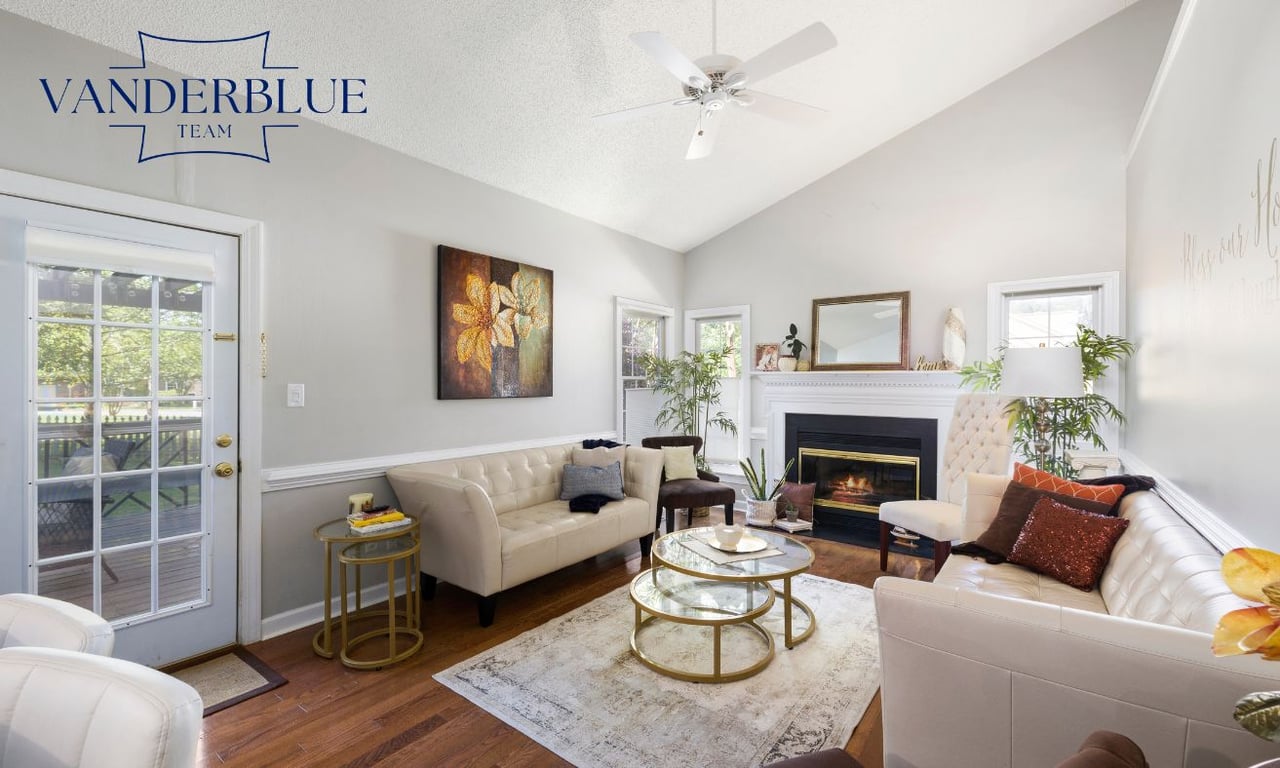
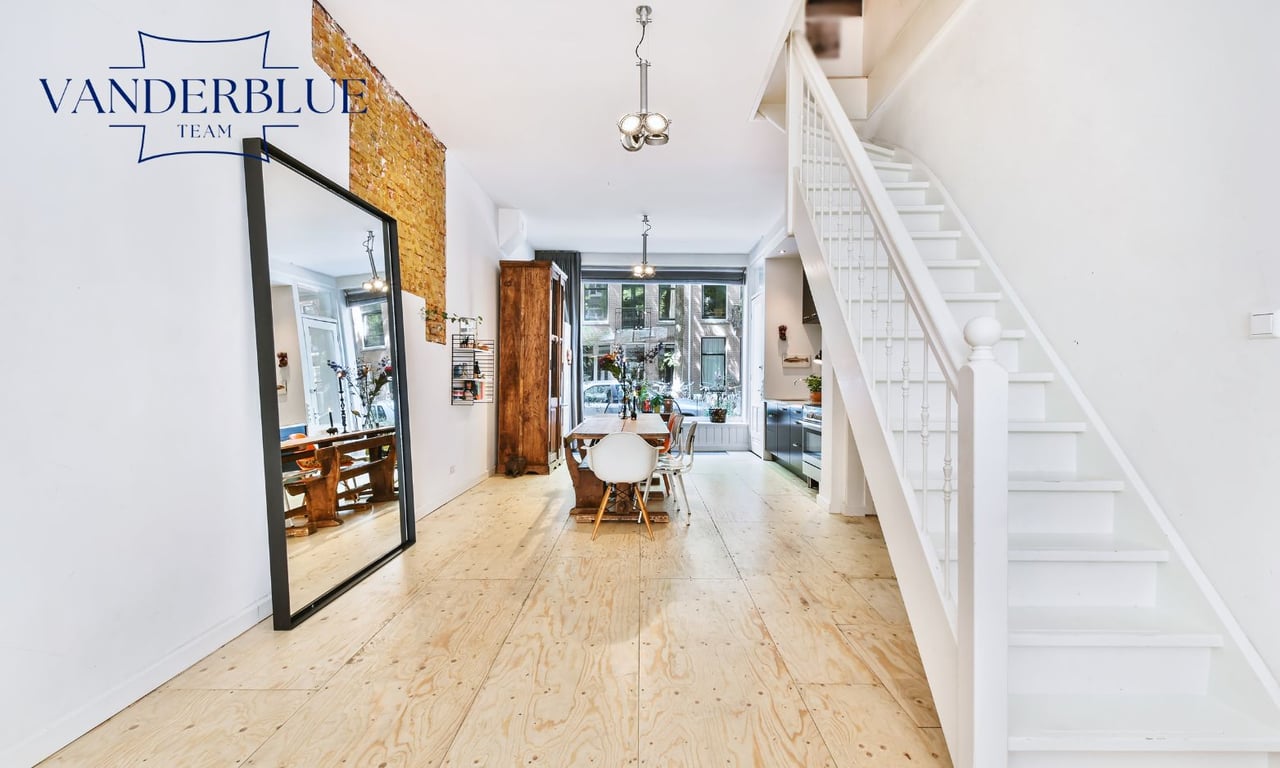
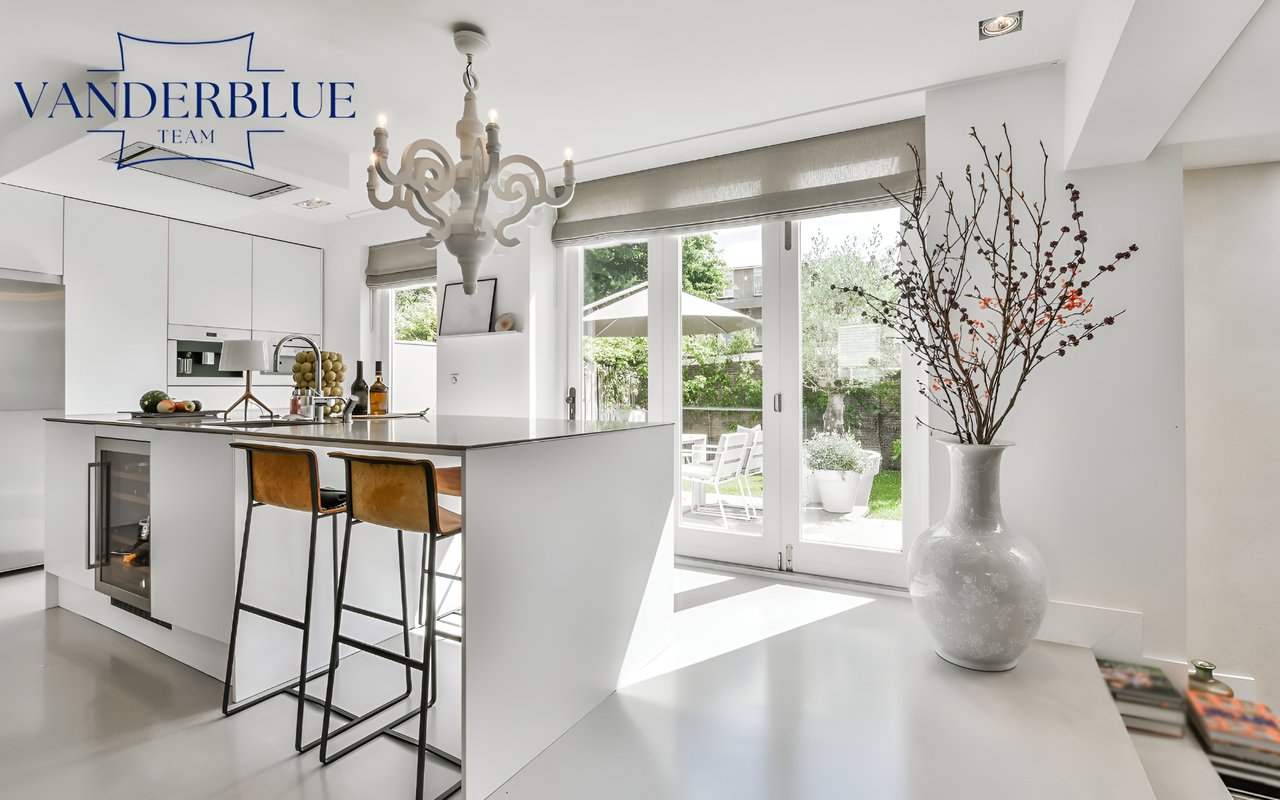
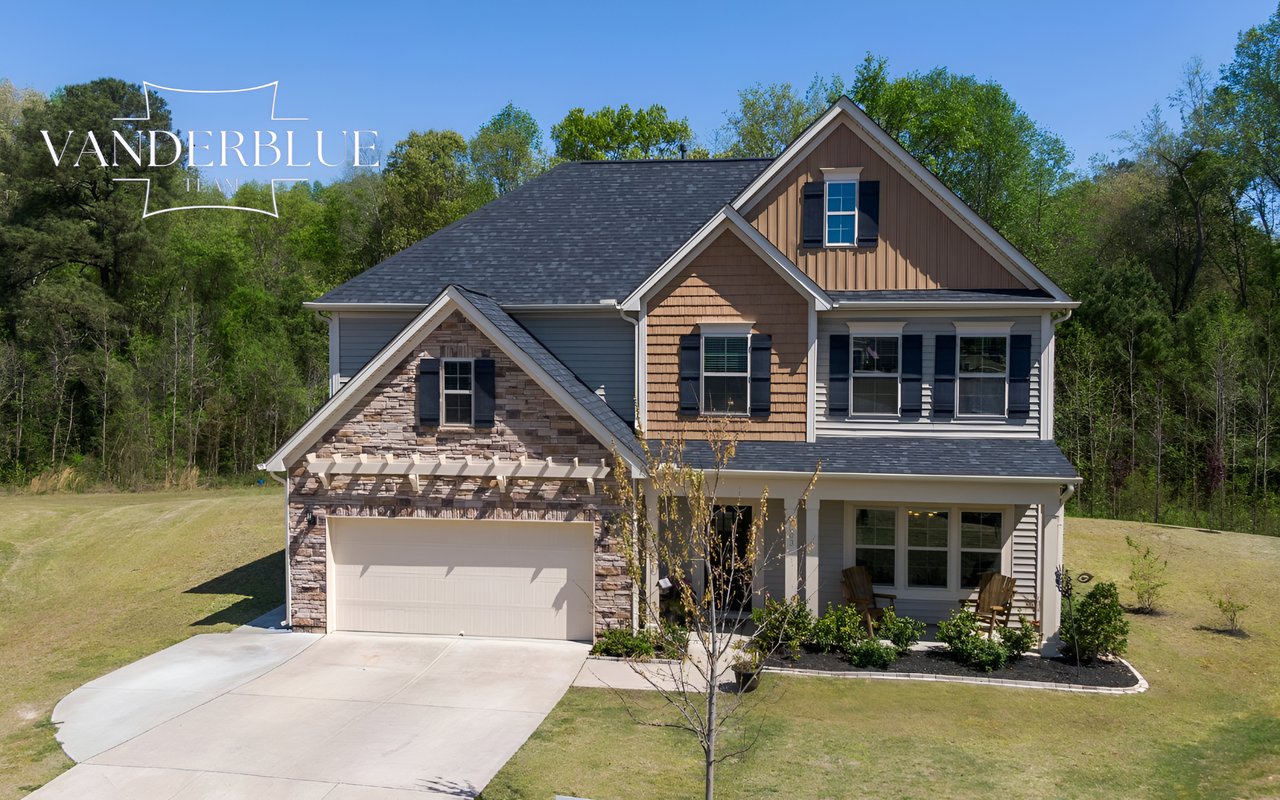
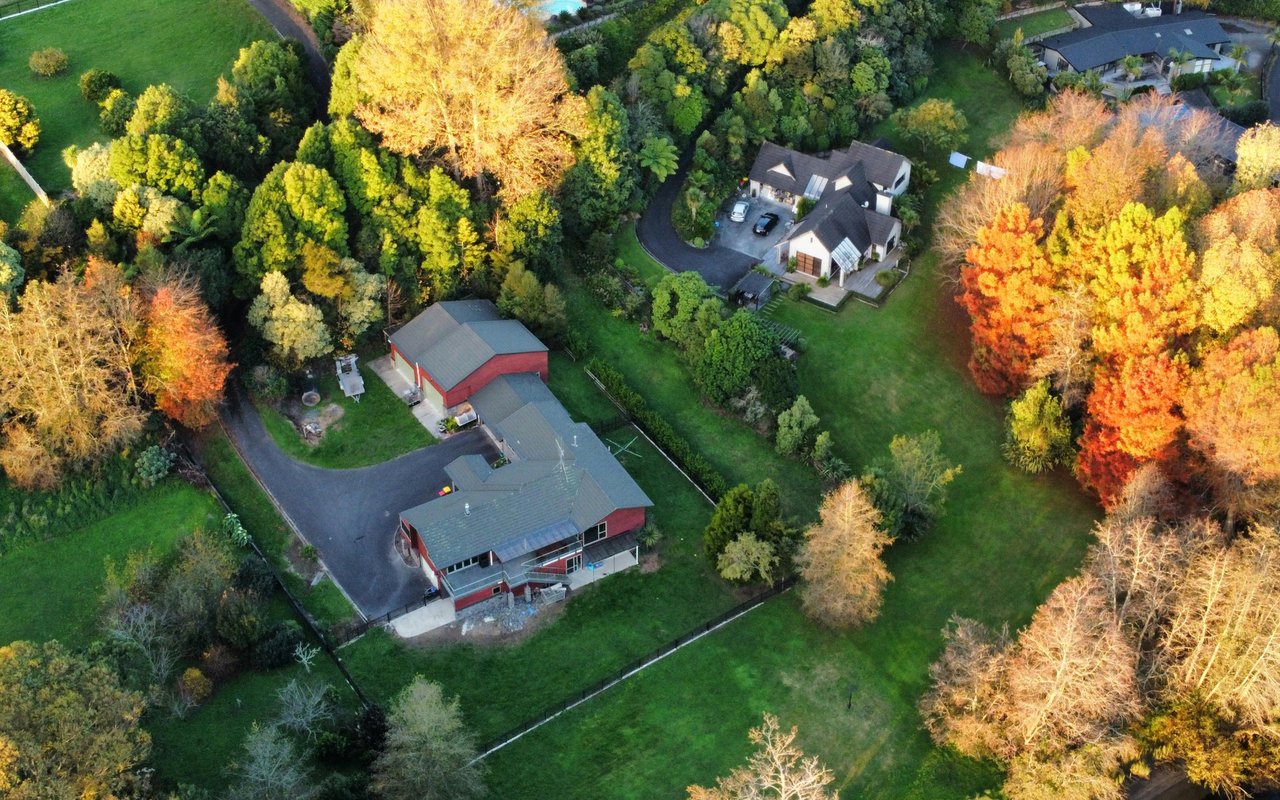
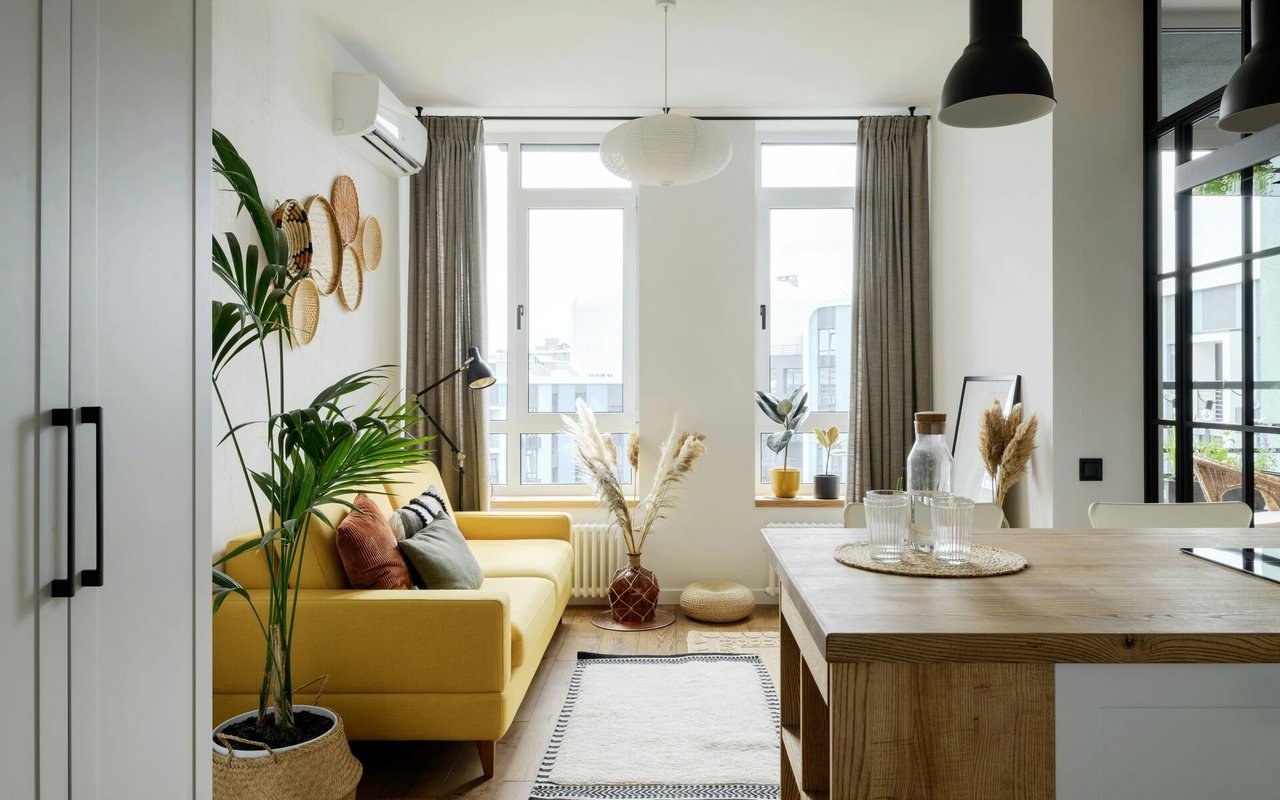
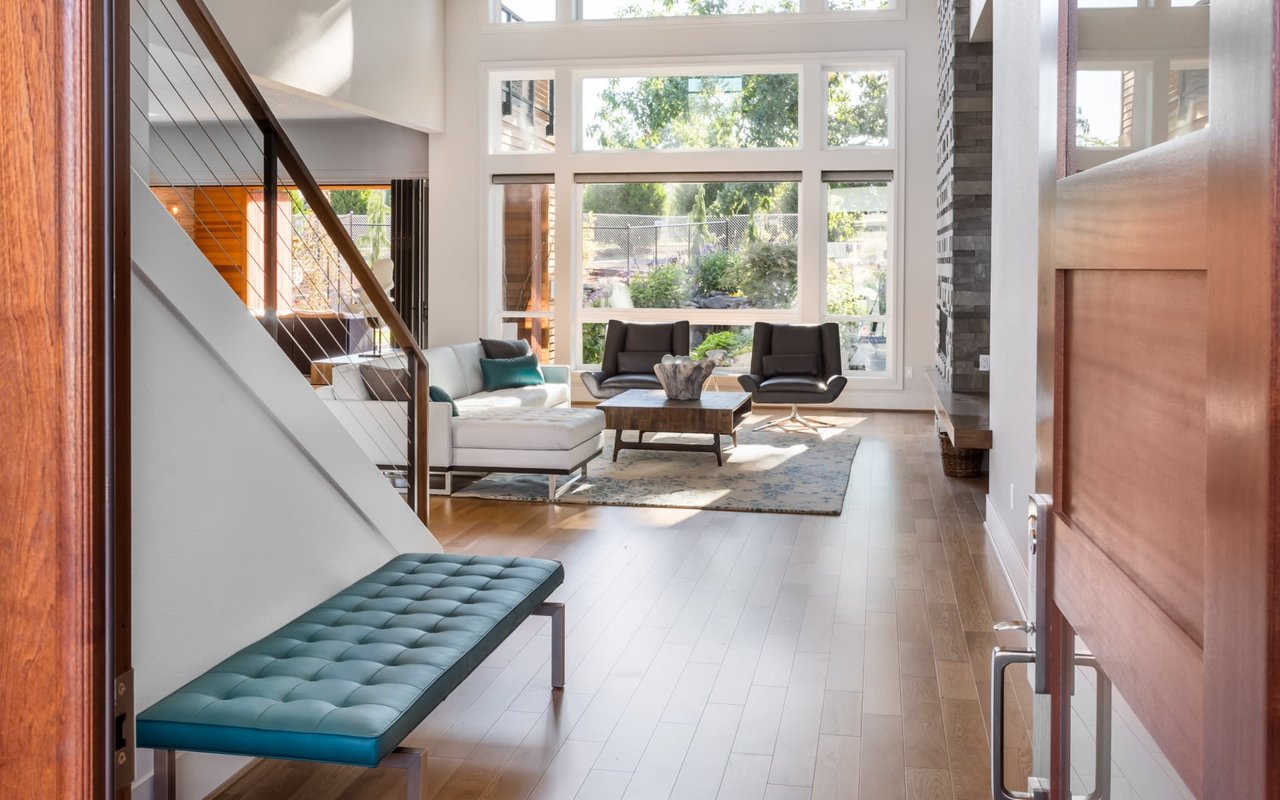
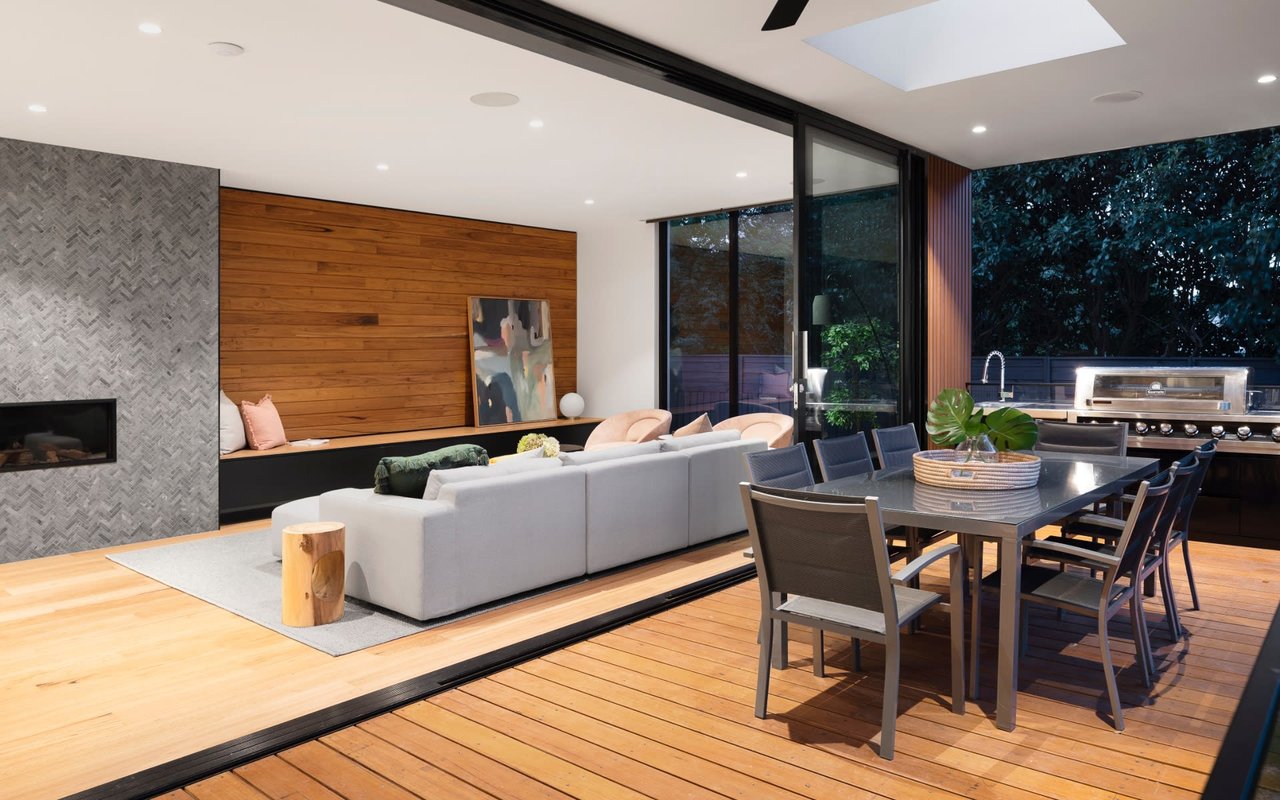
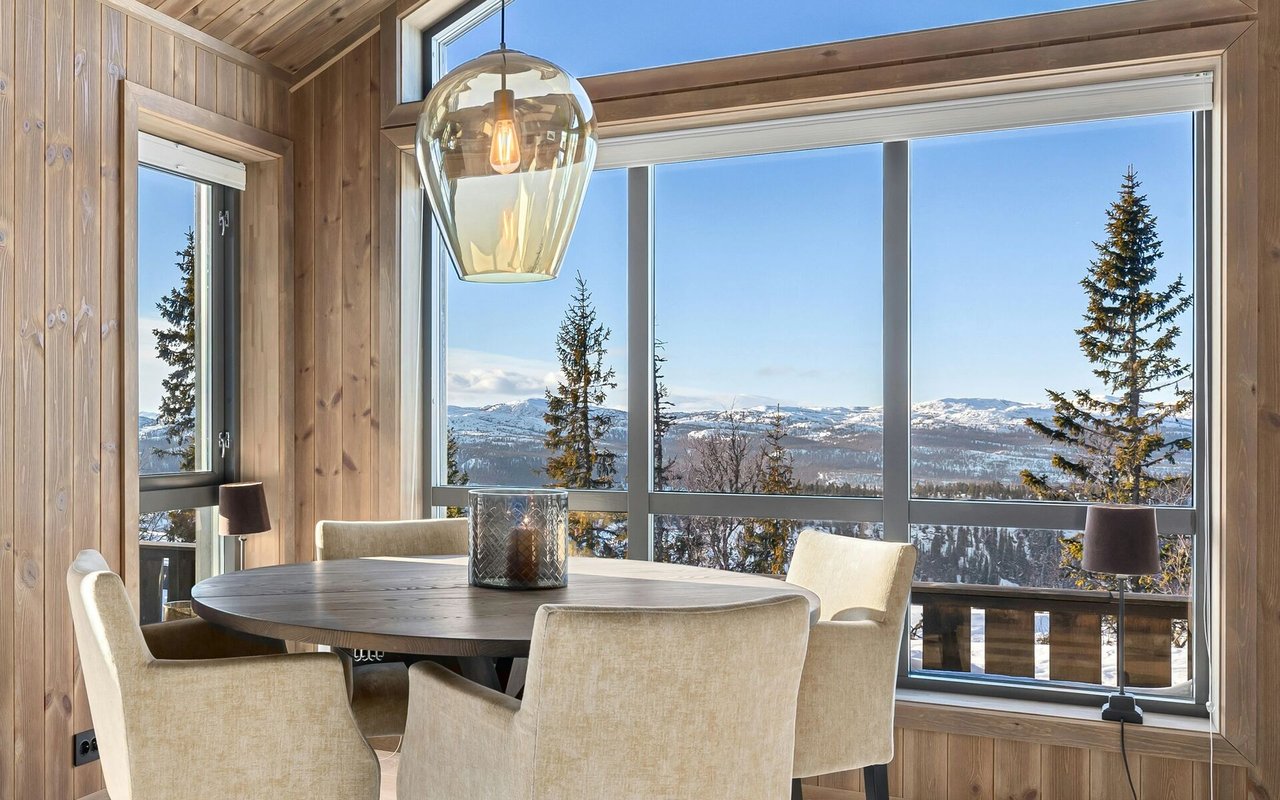
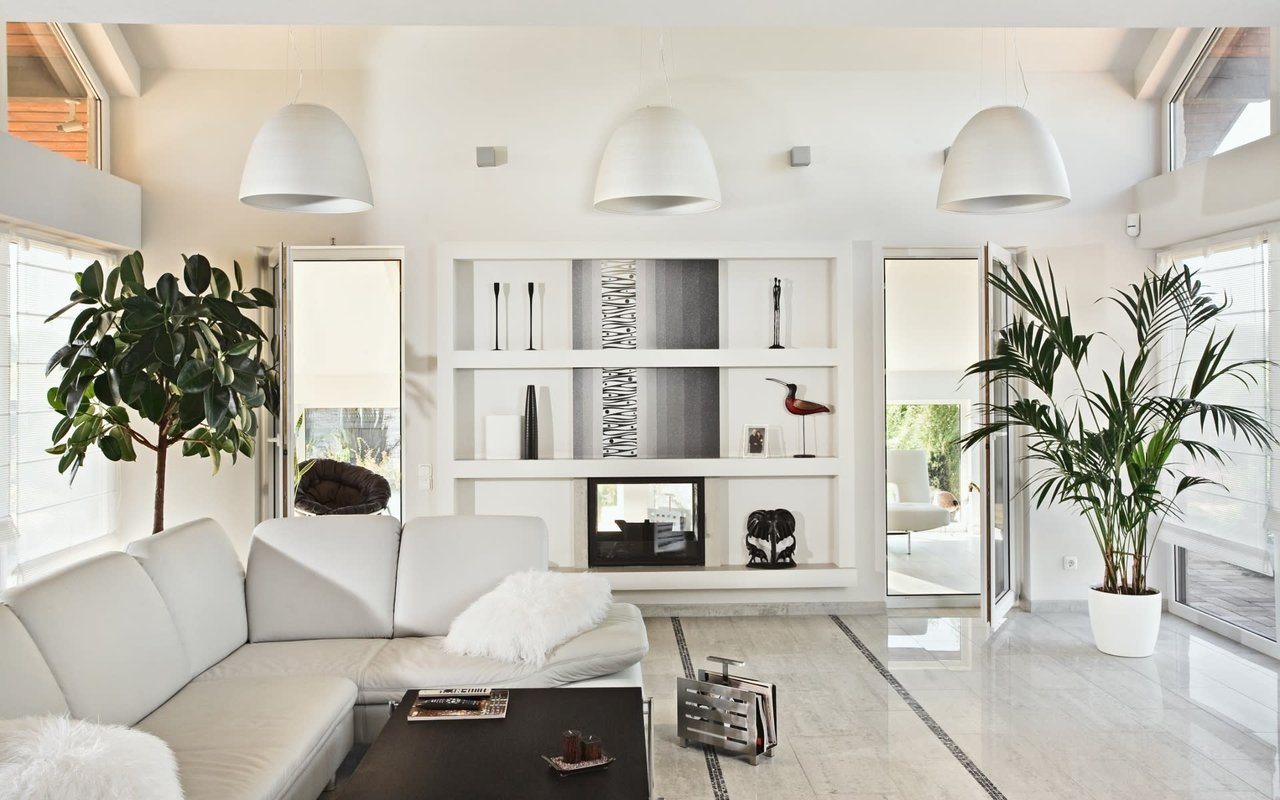
Your first showing happens on a phone screen, not at the front door. That means photos, lighting, and layout matter more than most sellers expect. A strong listing uses bright, high quality photos that clearly show the flow of the home, the size of rooms, and key features buyers care about like kitchens, bathrooms, storage, and natural light. If your home has a great backyard, an updated primary bath, or a stunning view, those need to show up early in the photo order. You want buyers thinking, “This looks easy to love,” not “I’m confused, what am I looking at?”
3. Create a simple “buyer confidence” setup
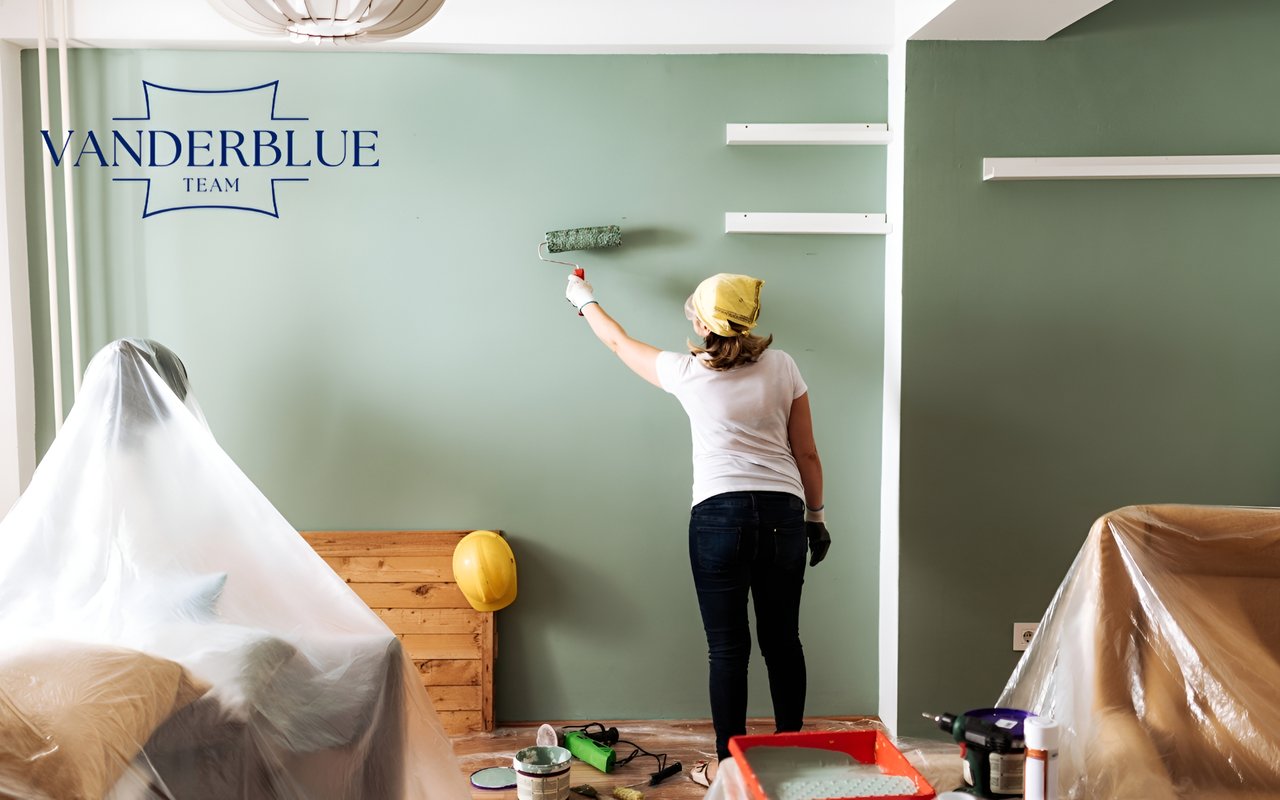
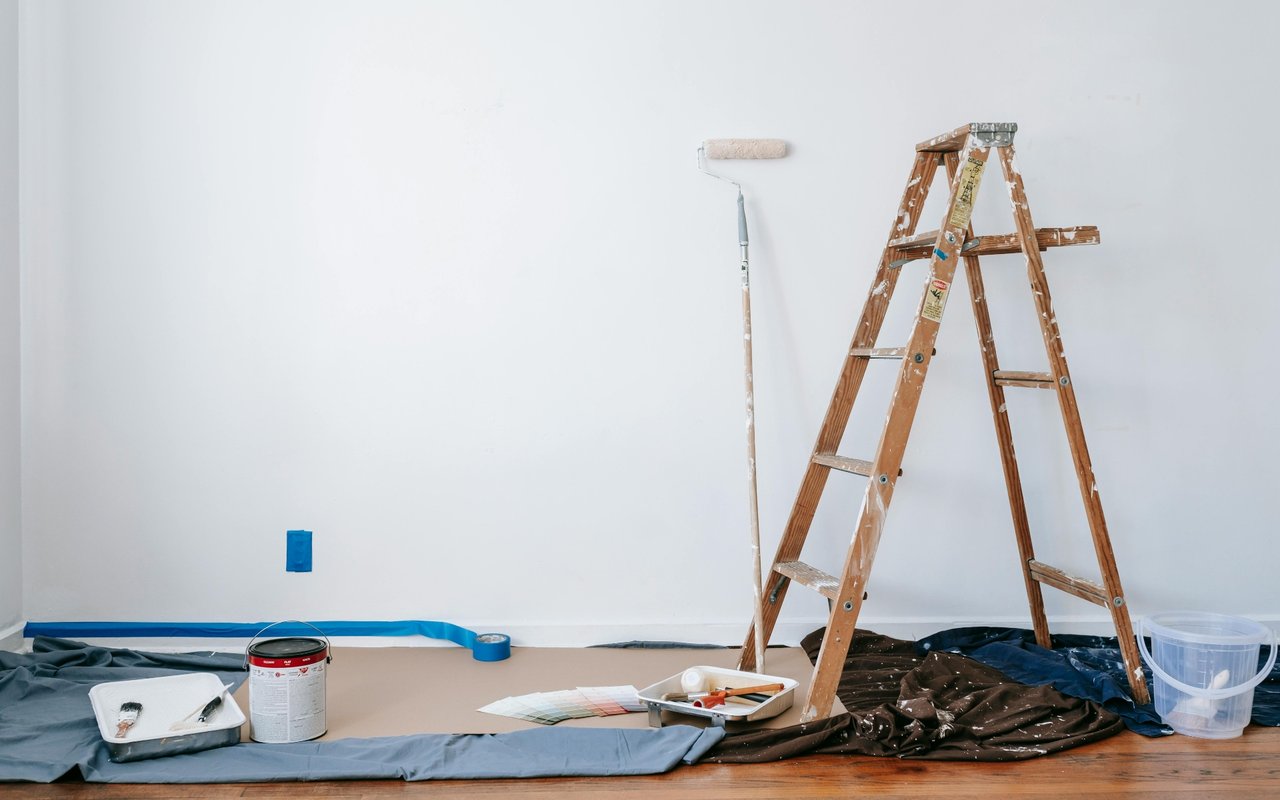
When buyers see a home with obvious maintenance issues or unanswered questions, they mentally start discounting the price. Strong listings reduce doubt. Before you go live, handle small repairs, touch up paint where it is noticeable, and make sure anything that suggests neglect is addressed, like burnt out bulbs, stained caulk, or sticking doors. If you can, consider a pre listing inspection or at least gather receipts and dates for major updates like roof, HVAC, water heater, and windows. The goal is not perfection, it is clarity. Clear homes feel safer to buy.
4. Stage for real life, not a showroom
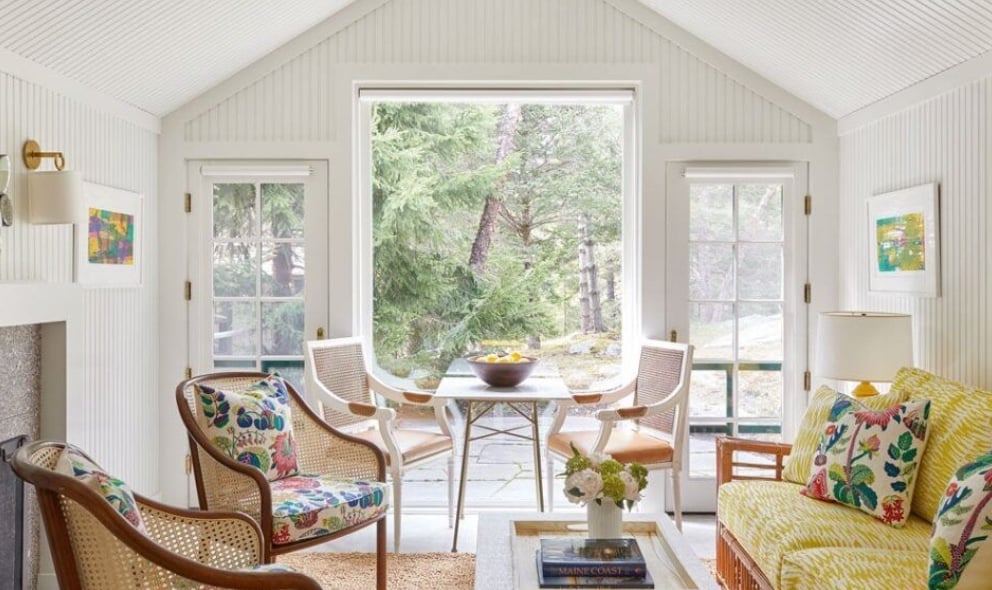
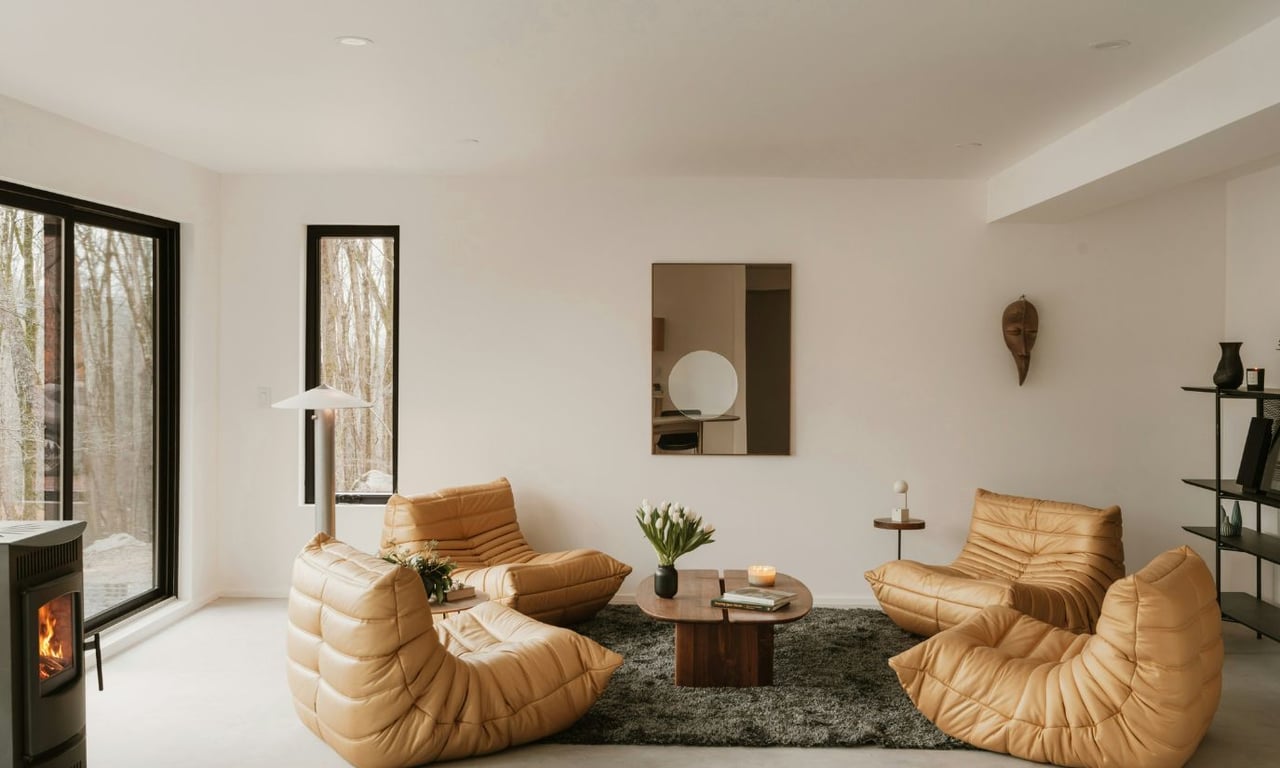
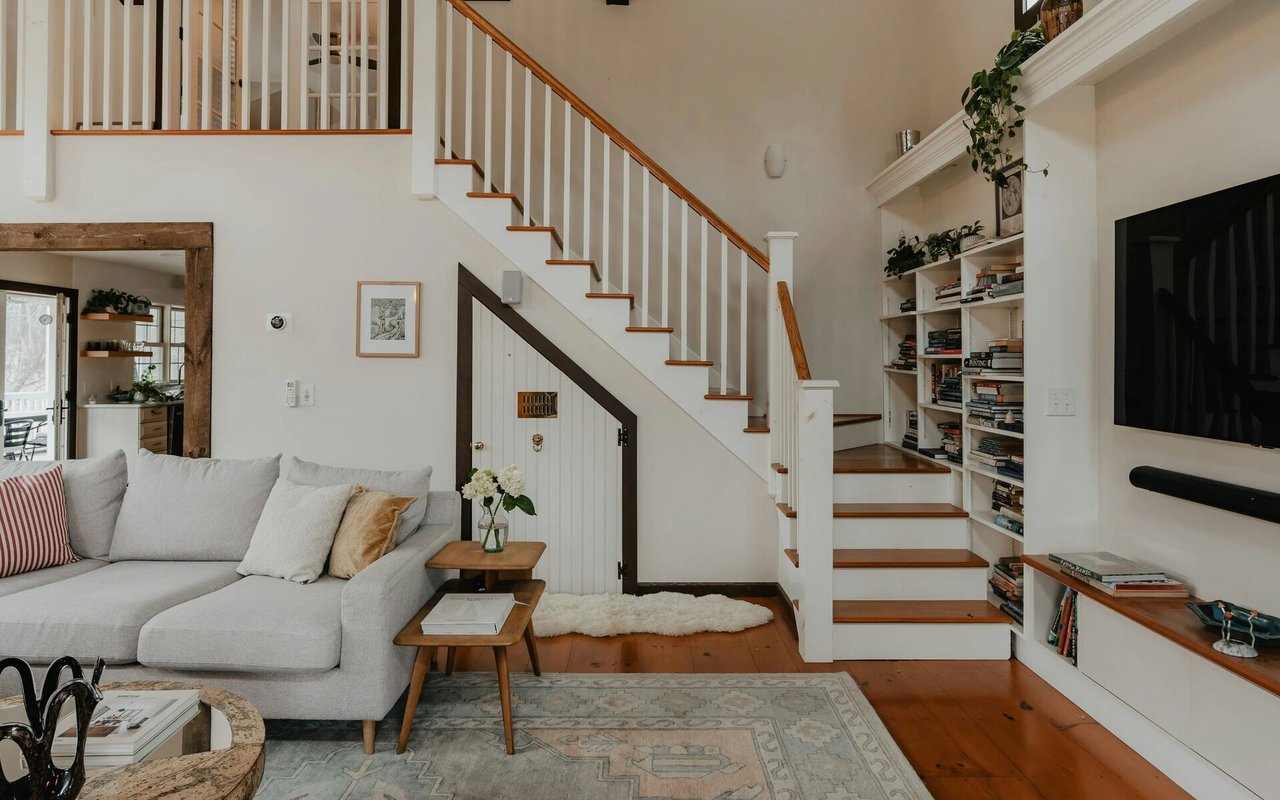
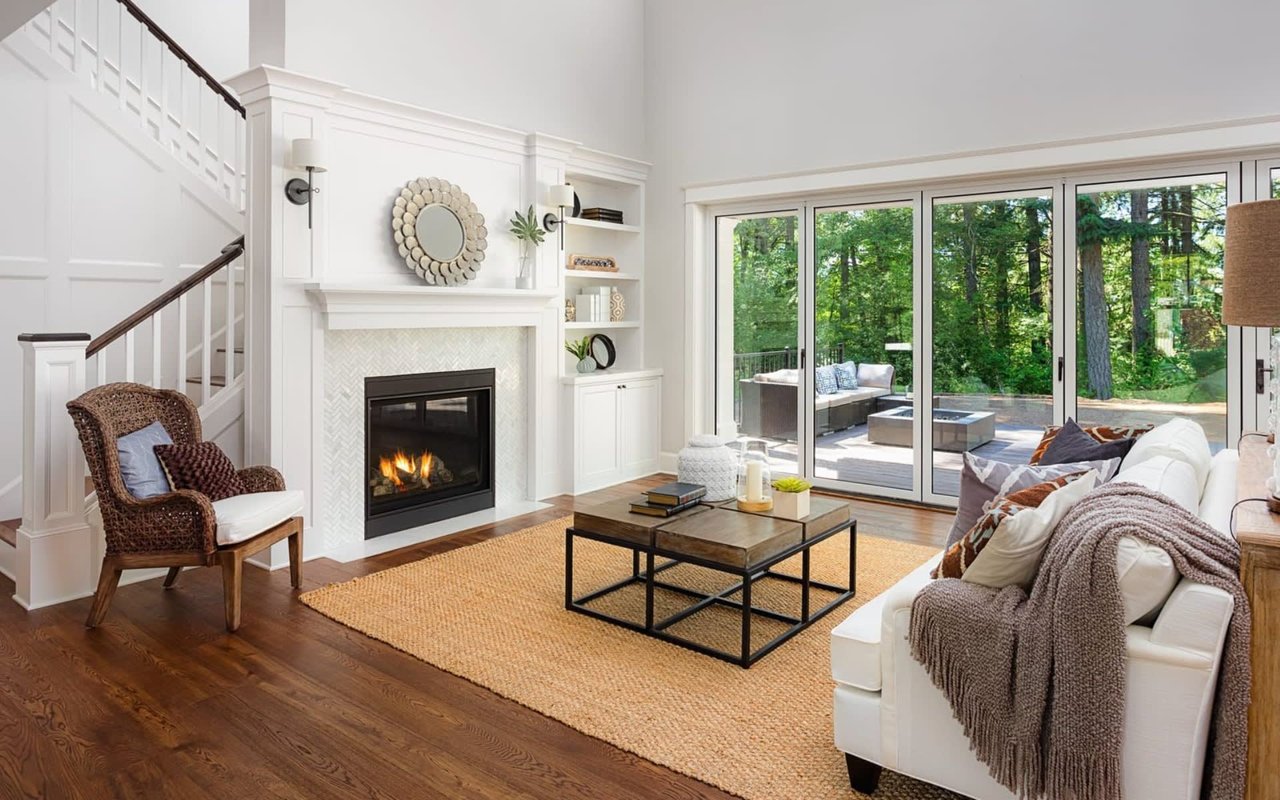
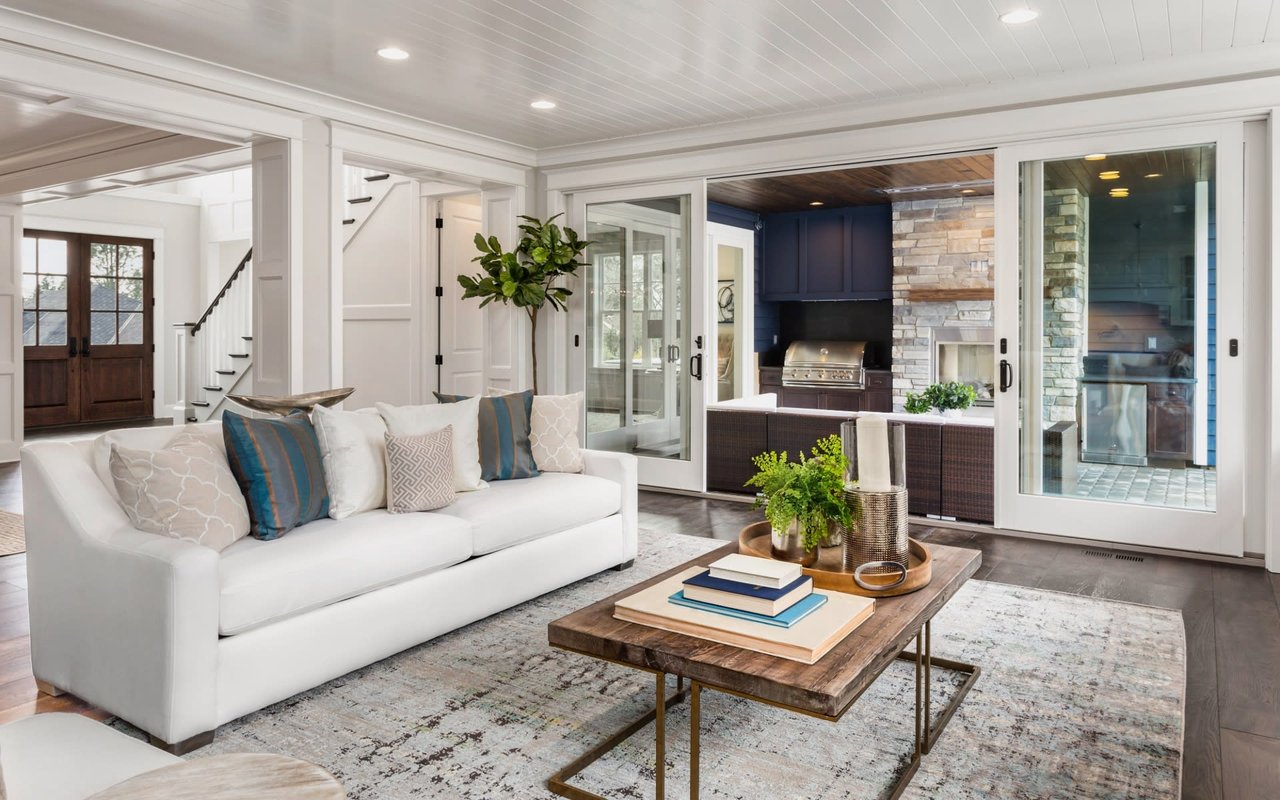
Staging does not have to mean renting all new furniture. It means helping buyers imagine themselves living there. Decluttering, removing overly personal items, and arranging furniture to make spaces feel open goes a long way. If you only do a few things, focus on what buyers remember most: the entry, living area, kitchen, primary bedroom, and the main bathroom. Add simple touches like fresh towels, neutral bedding, and clean surfaces. A strong listing feels calm, bright, and move in ready, even if the finishes are not brand new.
5. Market it like a launch, not a posting
Strong listings are launched with intention. That includes a clear schedule for professional photos, a compelling description that highlights benefits (not just features), and a smart showing plan for the first weekend. Ideally, you want to make it easy for buyers to see it quickly, because the first 7 to 10 days are when interest is highest. If possible, avoid going live with limited access or a confusing showing process. The more friction you remove, the more buyers show up, and the more leverage you create.
6. End with a plan that invites action
If you are selling, a strong listing is built before you ever hit “publish.” If you are buying, knowing what makes a strong listing helps you spot the homes that will move fastest and prepare accordingly. If you would like, I can help you evaluate your home’s “listing strength” in a quick checklist format, or if you are a buyer, I can share the top signs a listing is underpriced, overpriced, or likely to get multiple offers. Either way, please reach out with your price range and area, and I will help you map out the smartest next step.