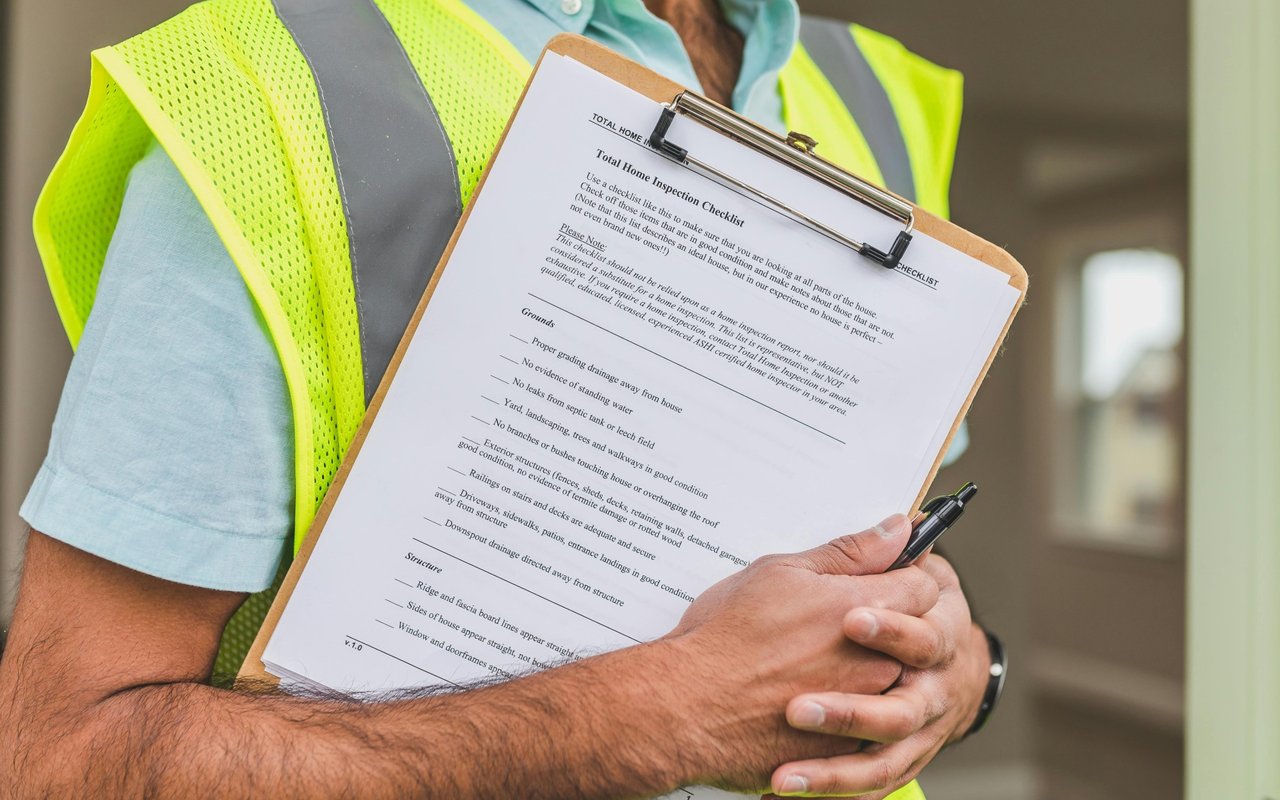
One of the moments in a real estate transaction that can make buyers and sellers feel uncertain is the home inspection. A buyer may receive a report filled with observations, recommendations, and potential repairs, while a seller may wonder which items they are actually expected to address. The important thing to remember is that a home inspection is not necessarily a list of demands. It is an opportunity for everyone to better understand the property's condition and decide how to move forward. After years of helping clients navigate these conversations, I have found that the best outcomes come from focusing on the issues that truly matter rather than getting caught up in every minor detail.
Start by Understanding the Inspection Report
Inspection reports can be overwhelming because they often contain a long list of items, but not everything carries the same level of importance. Buyers should review the report carefully with their agent and focus first on issues involving safety, structural concerns, major systems, water intrusion, or expensive repairs. Normal wear and tear and small maintenance items may not need to become part of the negotiation. Sellers should also resist the urge to react defensively to every finding. Most homes, even well-maintained ones, will have items noted during an inspection. The goal is to understand which findings are significant and which are simply part of owning a home.
Prioritize the Most Important Repairs
Not every inspection finding needs to result in a repair request. I often encourage buyers to separate the items into categories, such as health and safety concerns, major functional problems, deferred maintenance, and cosmetic issues. A damaged roof, significant plumbing problem, electrical safety concern, or malfunctioning heating system may deserve more attention than a loose cabinet handle or worn carpet. Prioritizing the bigger issues keeps negotiations focused and makes it easier for both sides to have a productive conversation. Buyers should also consider the age and overall condition of the home, because some wear is expected in a property that has been lived in for many years.
Consider the Options Beyond Repairs
A repair request does not always mean the seller needs to hire someone and complete the work before closing. Depending on the circumstances and the terms of the contract, there may be other ways to address a concern. The parties could potentially negotiate a credit, price adjustment, or another solution that makes sense for the transaction. Buyers should talk with their lender before requesting credits because loan guidelines can affect what is allowed and how funds may be used. Sellers should also consider whether completing a repair themselves is actually the best option. Sometimes a credit or other negotiated solution can be more practical than coordinating contractors while preparing for a move.
Approach the Negotiation With Perspective
Repair negotiations work best when both sides understand that the goal is not to create a perfect house. Buyers are purchasing a home, not a property with every component guaranteed to be brand new. Sellers, meanwhile, should recognize that buyers may reasonably have concerns about major defects that were not apparent before the inspection. I encourage clients to keep the entire transaction in perspective. A request should be evaluated based on the severity of the issue, the potential cost, the impact on safety or functionality, and the overall terms of the deal. Staying reasonable and focusing on meaningful concerns can help prevent a manageable inspection issue from turning into a much larger problem.
Know When to Ask for Professional Guidance
When an inspection reveals something that is outside your knowledge, getting another professional opinion can be worthwhile. An inspector may identify a concern that needs to be evaluated by a roofer, electrician, plumber, structural specialist, or other qualified professional. Buyers should avoid assuming the worst based solely on a brief description in an inspection report, just as sellers should avoid assuming a repair will be inexpensive without getting the right information. Your real estate agent can help you understand the negotiation process, organize the conversation, and keep the transaction moving, while qualified contractors and other professionals can provide insight into the actual condition and potential cost of a repair. With the right approach, inspection negotiations can be handled thoughtfully, allowing both buyers and sellers to move toward closing with a clearer understanding of the property and the agreement they are making.