One of the things I’ve noticed after years of helping buyers navigate the market is that the people shopping for homes late in the year are often very intentional about it. By November, casual browsing tends to slow down, while buyers who are still actively looking usually have a specific reason for wanting to move. They may be trying to settle into a new home before the holidays, take advantage of their current financial situation, relocate for work, or simply be ready to stop waiting. That doesn’t mean every late-year buyer is in a rush, but it often means they have a clearer idea of what they want and are prepared to take the next step when the right home comes along.
Less Competition Can Create Opportunities
Late-year buyers may also benefit from changes in the pace of the market. Some sellers who listed earlier in the year may be more motivated to reach an agreement before the calendar turns, while there may be fewer buyers competing for the same properties. That can create opportunities that aren’t always available during busier seasons. However, buyers shouldn’t assume every seller will automatically accept a lower offer simply because it’s November or December. The strongest approach is to look at the individual property, how long it has been on the market, recent comparable sales, and the seller’s circumstances before deciding how to structure an offer.
Serious Buyers Know Their Numbers
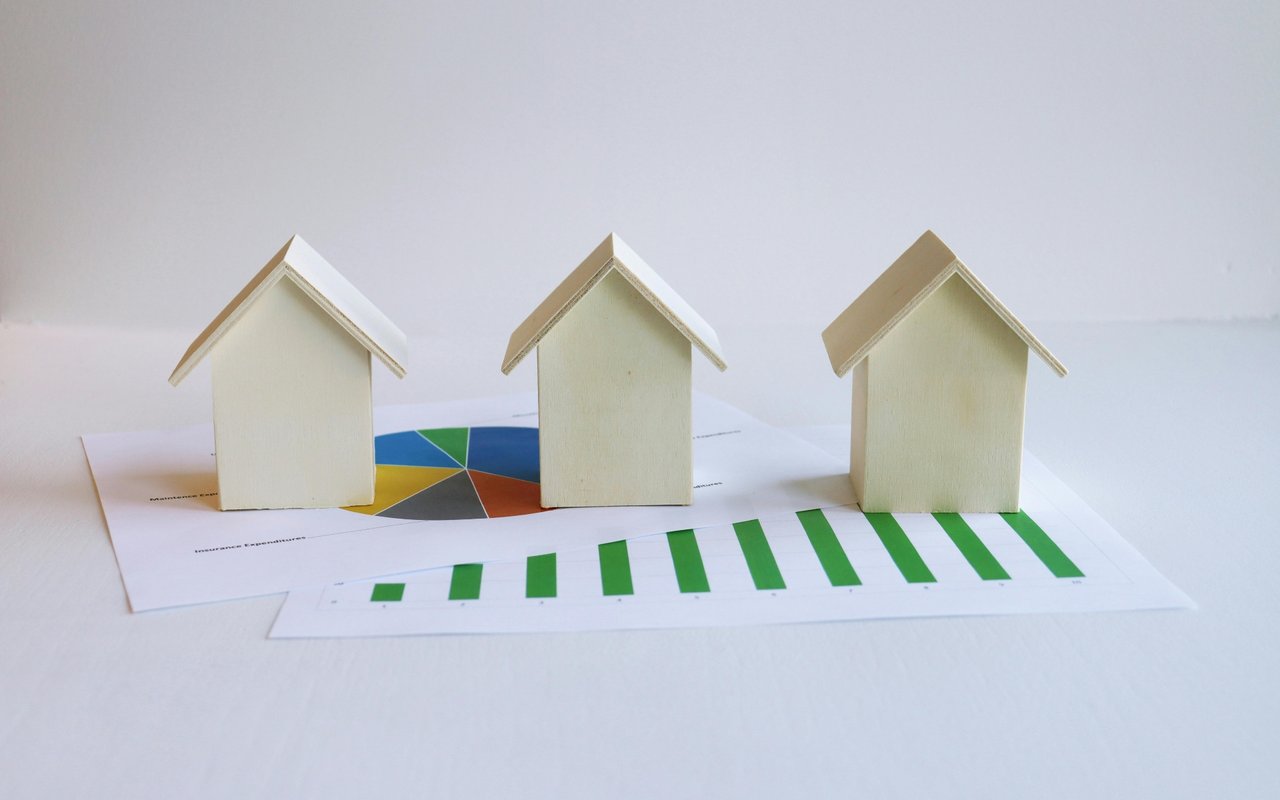
Another common trait I see among late-year buyers is preparation. They tend to know what they can comfortably afford, have already spoken with a lender, and understand the costs that come with purchasing a home beyond the monthly mortgage payment. Before starting or continuing a search, make sure your financing is in order and review your budget carefully. Property taxes, insurance, maintenance, utilities, closing costs, and potential repairs should all be part of the conversation. Knowing your numbers ahead of time makes it much easier to move confidently when you find the right property.
Be Ready to Move Quickly
Being prepared doesn’t mean you should rush into a purchase. It means having the pieces in place so you can act when the right opportunity appears. If you’re planning to buy before the end of the year, keep your financial documents updated, stay in communication with your lender, and make sure you understand your preferred neighborhoods and must-have features. It’s also helpful to know which compromises you’re willing to make and which ones you aren’t. That clarity can save valuable time when inventory changes from week to week.
Look Beyond the Holiday Season
The end of the year can make home shopping feel more complicated because schedules become busy and weather can affect showings, inspections, and moving plans. Still, there can be value in staying focused if buying a home is genuinely one of your goals. A home that doesn’t receive much attention during a slower period may deserve a closer look, especially if it meets your needs and the numbers make sense. I always encourage buyers to focus less on the season and more on whether the property, price, financing, and long-term plans line up.
Late-year buyers don’t necessarily have to be the fastest buyers, but they should be informed and prepared. If you’re still looking for a home in November, take that as an opportunity to be especially intentional about your search. Review your financing, understand the local market, and work with your real estate professional to evaluate each opportunity on its own merits. The goal isn’t simply to buy before the year ends, it’s to make a decision that feels comfortable and makes sense for your next chapter.