
Buying your first home is an exciting milestone, but it can also be a bit overwhelming. The Vanderblue Team at Higgins Group Real Estate is here to guide you through the process and make your home-buying experience as smooth as possible. Here are the top 10 things every first-time home buyer should know:
1. Get Pre-Approved for a Mortgage
Before you start house hunting, it's crucial to get pre-approved for a mortgage. This involves submitting financial information to a lender, who will then determine how much they are willing to lend you. Pre-approval gives you a clear idea of your budget and shows sellers that you’re a serious buyer, which can give you an edge in a competitive market.
2. Determine Your Budget
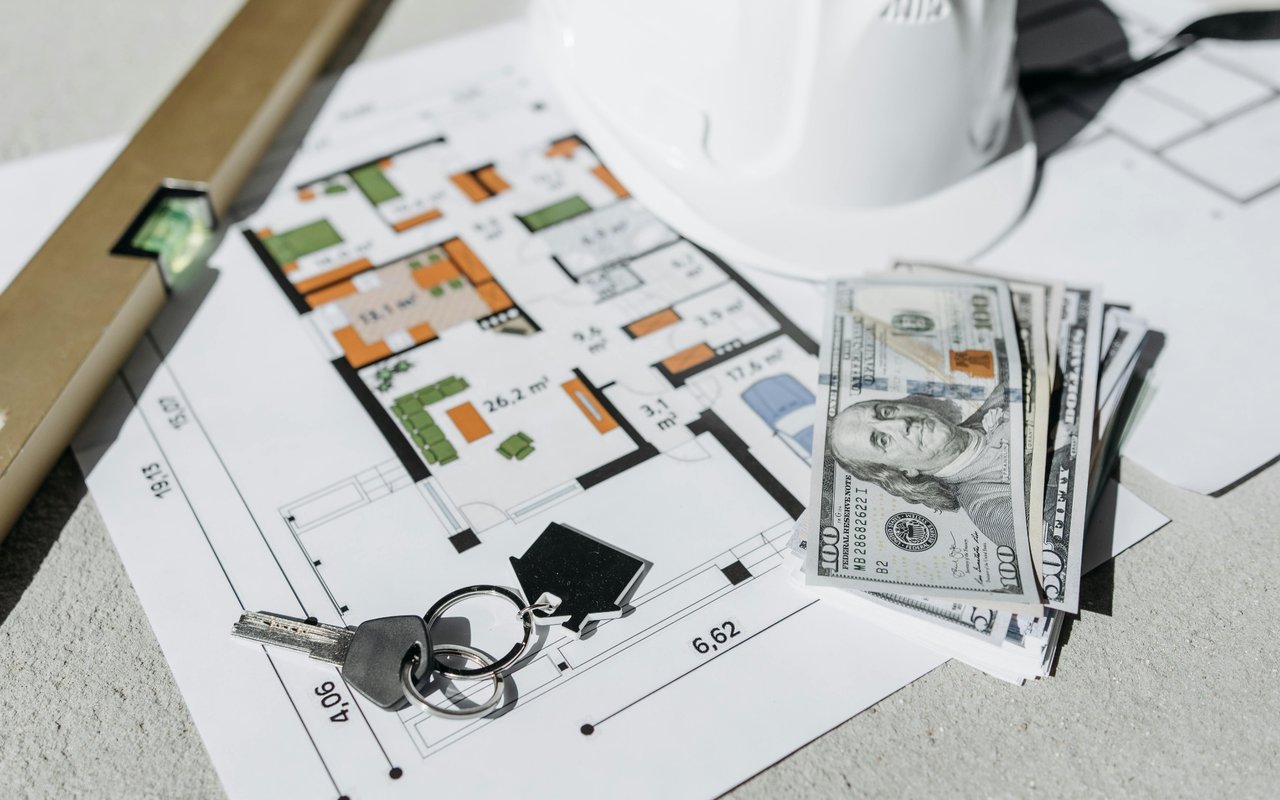
In addition to the mortgage pre-approval, consider all the costs associated with buying a home. These include the down payment (typically 3-20% of the purchase price), closing costs (which can range from 2-5% of the loan amount), moving expenses, and any immediate repairs or upgrades the home might need. It’s important to have a clear and realistic budget that includes these expenses, ensuring you can comfortably afford your new home.
3. Research Neighborhoods
Take the time to research different neighborhoods to find the one that best fits your lifestyle and needs. Look into school ratings if you have or plan to have children, commute times to work, local amenities such as parks, shopping, and dining options, and the overall community vibe. Online resources, local community websites, and visiting neighborhoods at different times of the day can provide valuable insights.
4. Prioritize Your Must-Haves
Make a list of your must-haves and nice-to-haves in a home. Must-haves are non-negotiable features such as the number of bedrooms and bathrooms, while nice-to-haves are features you’d like but can live without, like a swimming pool or a finished basement. This list will help you stay focused during your search and make it easier to evaluate potential homes.
5. Work with a Real Estate Agent You Trust
Having a knowledgeable and trustworthy real estate agent, like those on the Vanderblue Team, can make all the difference. They can provide valuable insights into the market, help you find homes that meet your criteria, negotiate on your behalf, and guide you through each step of the home-buying process. Their expertise and local knowledge can save you time, money, and stress.
6. Understand the Market
Real estate markets can vary greatly, even within the same city. To understand the market, start by researching current home prices and trends in your desired area. Look at the average time homes stay on the market, the ratio of asking prices to final sale prices, and the inventory of available homes. Websites like Zillow, Realtor.com, and local real estate market reports can provide this data. Additionally, your real estate agent can offer a detailed market analysis and insights based on their experience.
7. Attend Open Houses and Showings
Seeing homes in person is essential to understanding what’s available within your budget. Attend open houses and schedule private showings to get a feel for the size, layout, and condition of different properties. Pay attention to details such as the quality of construction, potential maintenance issues, and the overall neighborhood. Take notes and pictures to help you remember each home and compare your options.
8. Get a Home Inspection
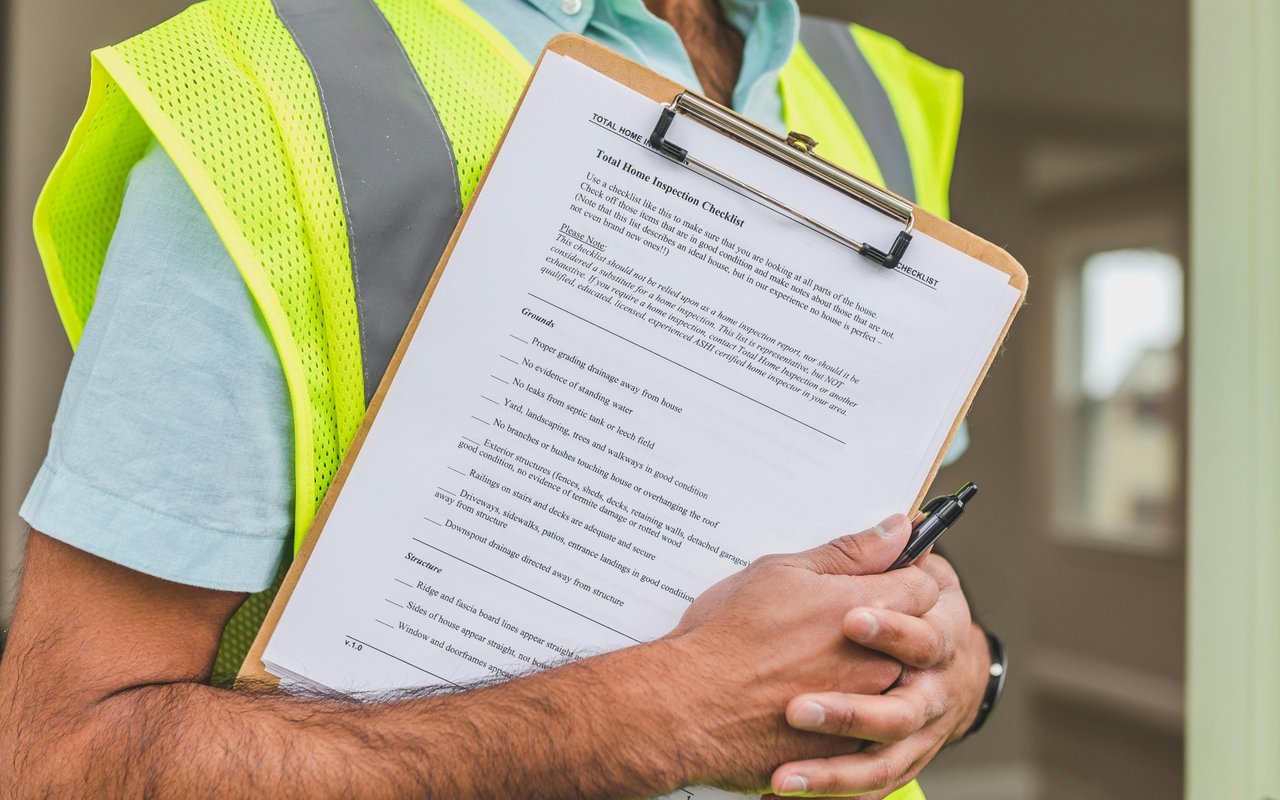
Once you’ve found a home you love, it’s important to get a professional home inspection. A home inspector will thoroughly examine the property’s structure, systems, and components, identifying any issues that need to be addressed. This can include problems with the foundation, roof, plumbing, electrical systems, and more. The inspection report will help you make an informed decision and negotiate repairs or price adjustments with the seller if necessary.
9. Be Prepared for Paperwork
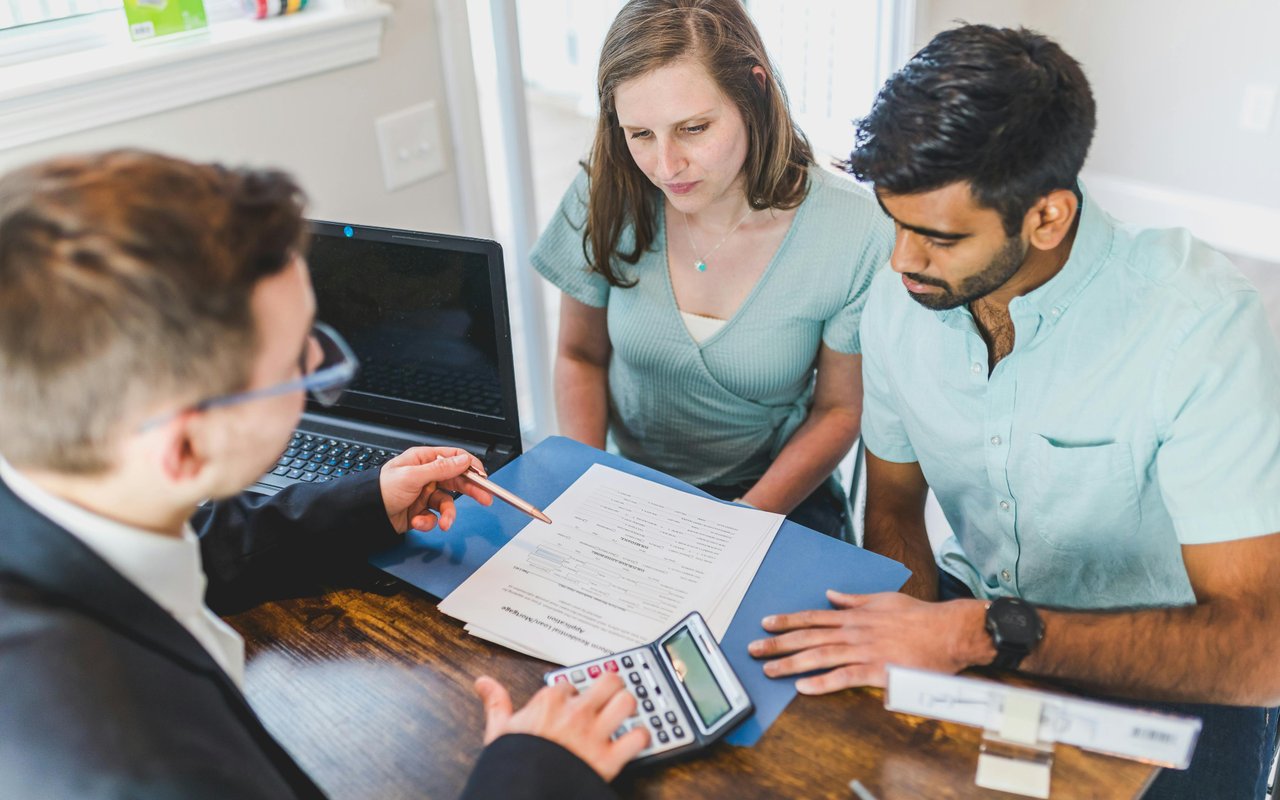
Buying a home involves a lot of paperwork. Key documents include:
- Loan Estimate and Closing Disclosure: These outline the terms of your loan and the costs associated with closing.
-
Purchase Agreement: This contract between you and the seller includes details about the sale price, contingencies, and closing date.
- Title Insurance: Protects you and the lender from potential legal issues with the property’s title.
- Deed: The official document that transfers ownership from the seller to you.
- Mortgage Documents: These include the promissory note and mortgage or deed of trust, outlining the terms of your loan and your commitment to repay it. Your real estate agent and lender will guide you through these documents, ensuring you understand each one before signing.
10. Stay Flexible and Patient
The home-buying process can take time, and you may face some ups and downs along the way. It’s important to stay flexible and be patient. Sometimes, the first home you fall in love with might not work out, but there are always other options. Trust that the right home will come along, and rely on your agent’s expertise to help you navigate any challenges.
By Leo Sequenzia, Vanderblue Team Intern