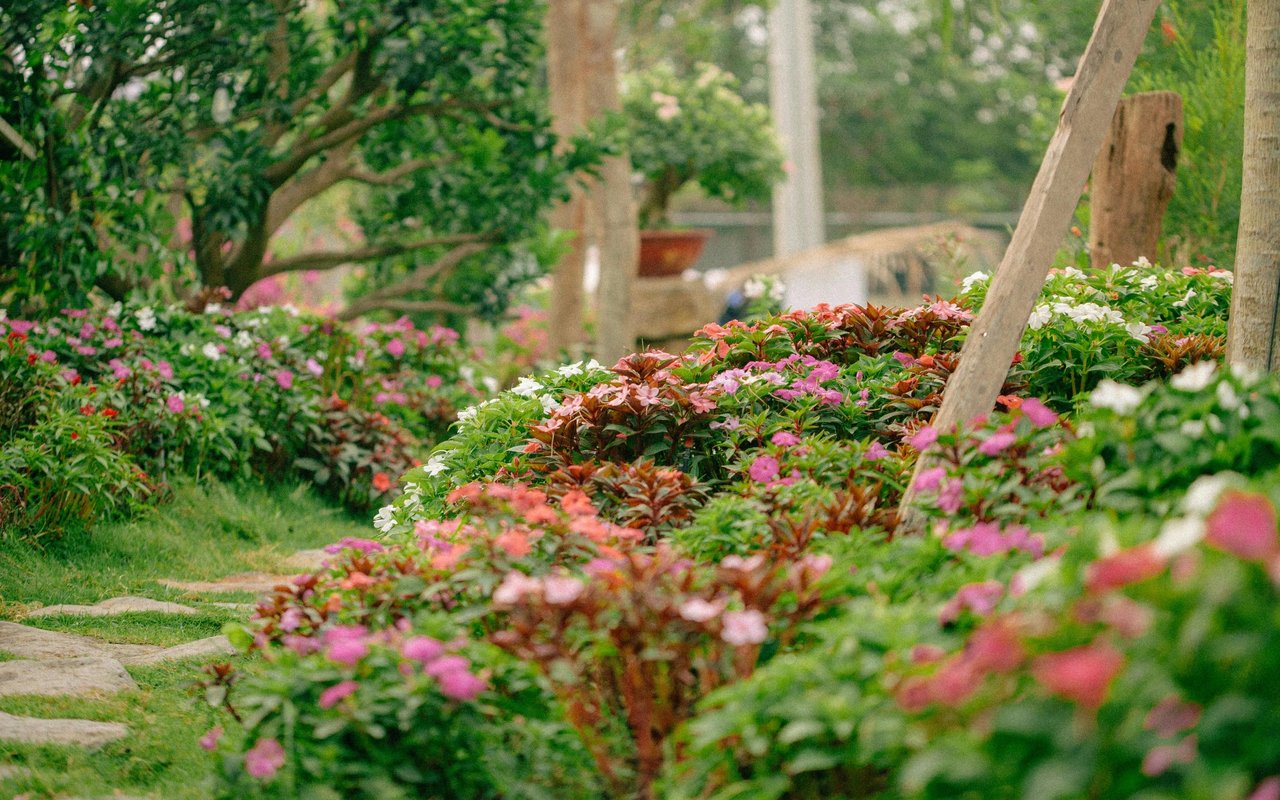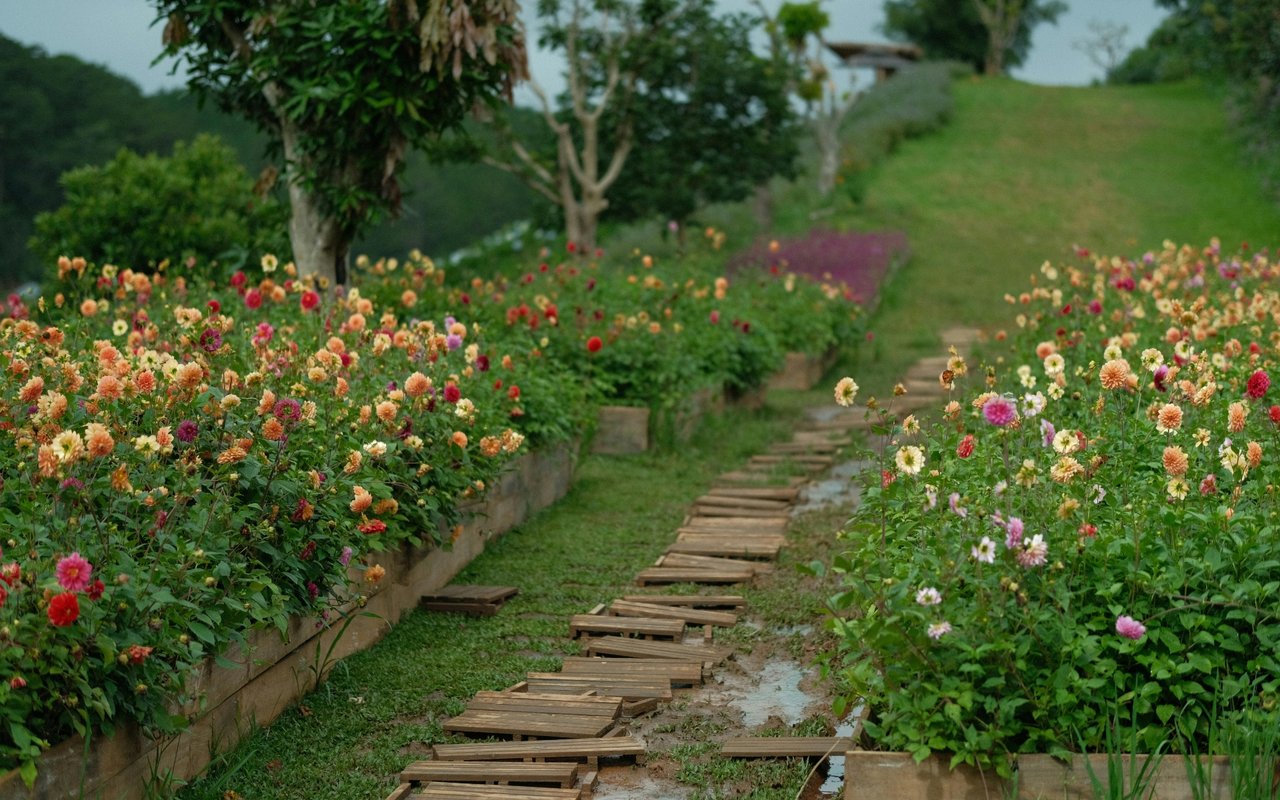

Creating a September floral garden in Connecticut can be a delightful endeavor. The mild weather and rich soil provide an excellent opportunity to plant a variety of flowers that will bloom beautifully in the fall and even into the next spring. Here’s a guide to help you start your floral garden.
Planning Your Floral Garden

Design Layout
Consider the size and shape of your garden. Sketch out a design that includes both annuals and perennials for continuous blooms throughout the seasons.
Sunlight Requirements
Identify areas in your garden that receive full sun (6-8 hours), partial shade (4-6 hours), or full shade (less than 4 hours) to choose the right flowers for each spot.
Selecting Flowers

Fall-Blooming Annuals
These can provide vibrant color in your garden:
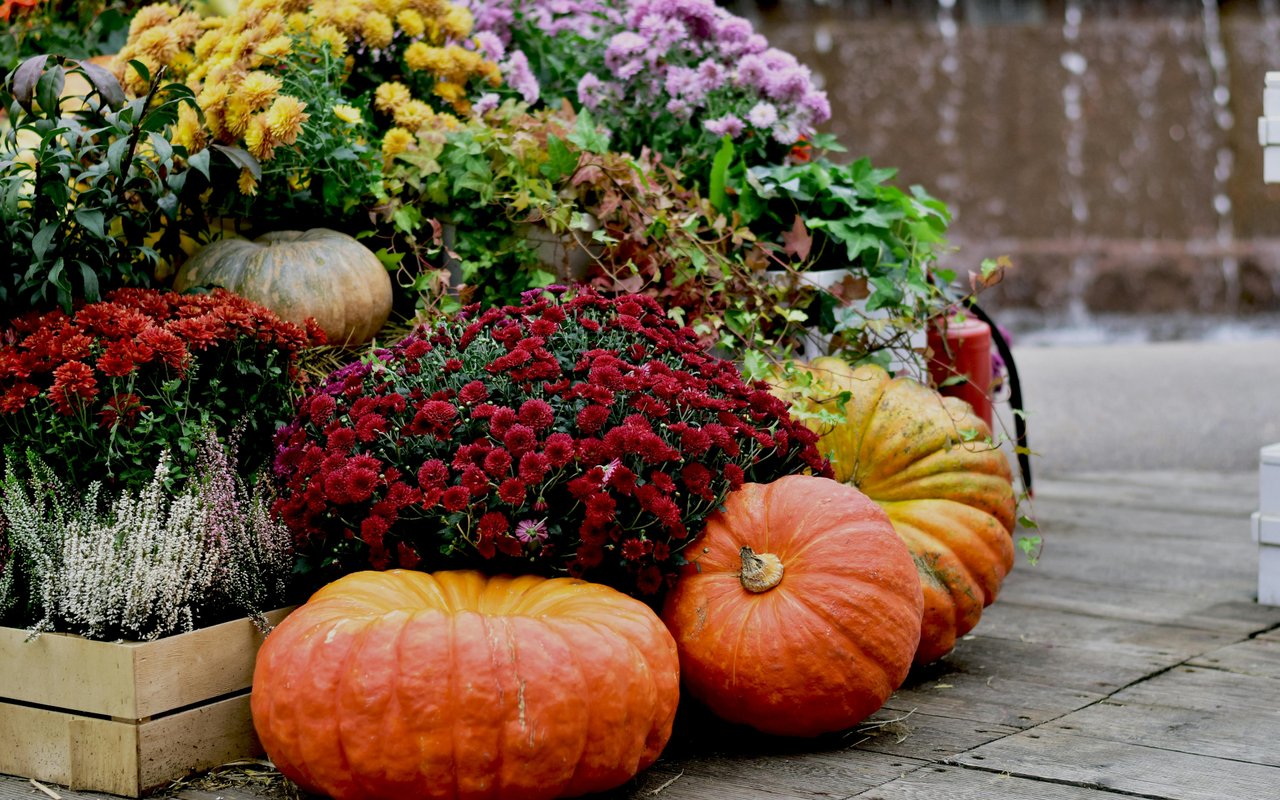
Chrysanthemums (Mums)
Available in various colors and provide a long-lasting display.
Pansies
Hardy and great for cooler temperatures, they can bloom until frost.
Asters
These dainty flowers attract pollinators and thrive in late summer to fall.
Perennials for Next Year: Planting perennials now ensures they will establish roots for a robust showing in the spring:
Sedum
Drought-tolerant and provides lovely late blooms.
Coneflowers (Echinacea): They are resilient and attract butterflies.
Daylilies
Known for their hardiness and variety of colors.
Preparing the Garden Bed

Clearing the Area
Remove any weeds, grass, or debris from the chosen site to prepare it for planting.
Soil Testing
Test the soil for pH and nutrient levels. Amend with compost or organic matter to improve fertility and drainage.
Planting Your Flowers

Timing
Aim to plant by mid-September to allow your flowers to establish before colder weather sets in.
Spacing
Follow the spacing recommendations on seed packets or plant labels to ensure adequate room for growth.
Watering
Water your newly planted flowers thoroughly after planting to help settle the soil around the roots.
Maintaining Your Floral Garden

Watering
Regularly check moisture levels, especially during dry spells. Water early in the day to minimize evaporation.
Mulching
Apply a layer of mulch around the plants to retain moisture, suppress weeds, and regulate soil temperature.
Deadheading and Pruning
Remove spent blooms to encourage new growth and maintain the health of your plants.
Preparing for Winter

Frost Protection
Cover delicate plants with burlap or frost cloth if a frost is expected.
Cutting Back
After the first hard frost, cut back perennials and remove any annuals that have finished blooming. This will help prevent disease and prepare the garden for winter.
Planning for Next Spring
As the garden settles into winter, take note of which plants thrived and which did not. This will help you plan for an even more successful garden next spring.
Starting a September floral garden in Connecticut is a wonderful way to embrace the beauty of fall while also preparing for spring blooms. With careful planning, the right plant choices, and proper maintenance, you’ll create a stunning garden that brings joy and color to your landscape. Happy gardening, and enjoy the beauty that unfolds!